
What Adaptive Golf Is and Who Plays It
Adaptive golf covers the organized playing of golf by players with disabilities: standing players with limb differences, seated players on single-rider carts, vision-impaired players with guides, and program communities — veterans initiatives, foundations and club inclusion programs — that organize the play.
The community in honest outline: adaptive golf is organized at every level — the international para-golf circuits, the national bodies that classify and run adaptive competition, the veterans initiatives that bring rehabilitation and recreation together, the foundations and club programs that make courses and coaching accessible — and its playing models span the physical spectrum: standing players whose limb differences affect grip, swing or carry; seated players who play from single-rider adaptive carts or wheelchairs; vision-impaired players who play guided (the coach or partner describing the line, the bag organization doing quiet work); and program golfers of every description who arrive at the game through rehabilitation, therapy and community structures rather than the junior-to-club pipeline the mainstream industry optimizes for.
Why a B2B bag program should care, in program terms: the community is organized (the buying entities exist — foundations, program directors, club inclusion budgets, veterans services), the events are real (the charity and adaptive tournaments the event structures serve, at every scale), the equipment gap is genuine (the standard bag's assumptions — two-handed closures, standing reach, transfer-friendly weights — meet the community's physics exactly wrong, the sections below), and the loyalty economics are the gift and institutional channels' compounding (the program that serves the community well keeps the customer for the community's lifetime). The adaptive program is not charity — it is an underserved market with institutional buyers and a manufacturing problem this guide prices.
Where Standard Bags Fail Adaptive Play
The failure inventory, held in engineering terms: the closure classes (zippers demand two hands and fine dexterity — a pincer grip and a slider track; the standard bag closes every pocket with them), the pocket geometry (positioned for a standing player's reach and sight line — a seated player faces the lower pockets at the wrong angle and the deep pockets at no angle at all), the extraction loads (a club drawn from a full top by a player with grip or range limitations is a leveraged load the standard divider assumes a full swing-strength arm behind), the mounting assumptions (a standard bag's strap and base geometry assumes a shoulder or a flat cart bay — the wheelchair frame and the single-rider cart's receiver need hardware the standard bag does not carry), and the organizational grammar (a vision-impaired player's bag organized by sight conventions — color-coded headcovers and print labels — organizes nothing for its user).
What the failures add up to commercially: the community adapts standard equipment with improvisation (the bungee solutions, the helper-dependent routines, the pockets abandoned unused) rather than buying adapted equipment, because the adapted equipment barely exists as a program category — and every improvised solution is an unmet spec, and every unmet spec is a product line the supplier who quotes it first can own. The design process this site documents runs on exactly this motion: the use case interrogated honestly (who reaches, who closes, who mounts), the spec written for the physics of the actual user, the sample tested by the actual player — the adaptive program is the process applied to a community the standard process forgot.
The Seated-Position Geometry Problem
The geometry work, stated as a spec problem: a seated player — on a single-rider cart or playing from a wheelchair — addresses the bag from a lower sight line and a different reach envelope (the arcs of shoulder and arm from a seated torso), which rewrites the pocket map: the primary pockets want to sit in the seated reach band (the zone a seated arm addresses without torso twist or standing transfer), the mouth geometry wants wide and shallow rather than deep and narrow (the extraction path a seated reach supports), the closure classes want one-hand operable (the section below), and the club top wants its extraction loads reduced (the leveraged draw of a full-length divider system from a seated position — the divider run and the top opening engineered for a partial-strength, partial-range draw).
The engineering honesty of the section: none of this is exotic — it is the chassis engineering vocabulary applied to a different operator's anthropometry, the same discipline the women's market guide applies to strap geometry and the junior guide to age-band proportions. The pocket map redraws, the closure spec changes, the top architecture adjusts — and the manufacturing consequence is a pattern and BOM revision on a standard chassis, which is to say a program the OEM structures price every day. The buyers' engineering review (the program director who tests the sample from the actual seat) is the sample process's most consequential iteration, and the supplier who runs it well builds the reference program the community's other buyers hear about.
One-Handed Operations and Closure Classes
The closure engineering, ranked by operability: magnetic closures (the one-hand, alignment-forgiving class — the pocket mouth that closes itself on approach, the premium band's convenience feature doing accessibility work), wide-mouth flap closures with grab-friendly pulls (the single-motion open-and-hold class), oversized zipper pulls on the closures that remain (the grip surface a limited-dexterity hand can address — the pull sized for a fist or a prosthetic terminal device, not a fingertip), and hook-and-loop systems at the positions that tolerate them (the trade-offs of noise and wear the materials guide prices). The spec sheet expression: a closure class per pocket named in the RFQ, with the one-hand operability the acceptance criterion — the AQL plan's functional checks applied to closures as seriously as to seams.
The operation classes beyond closures that the one-handed spec covers: club extraction (the top architecture and divider run of the seated section, plus the grip-friendly club handles and the easy-draw angles), the accessory management (the magnetic rangefinder pockets and the single-motion ball systems the premium band already builds — the adaptation is largely a repurposing of conveniences the mainstream has already engineered), and the strap and carry management (the don-and-doff choreography of a strap system being one-handed-operable: the quick-release classes, the auto-adjusting structures — the stand guide's strap engineering measured at a new criterion). The one-line summary the section earns: the one-handed spec is not a new engineering discipline — it is the existing discipline measured at a new criterion, and the spec sheet that names the criterion gets built.
Mounting Systems for Adaptive Carts
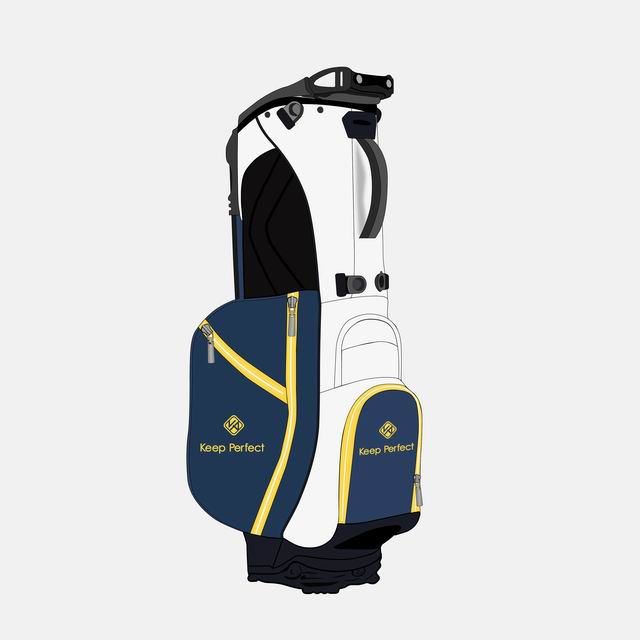
The mounting engineering: the adaptive community plays from single-rider carts and wheelchairs, and the bag-on-vehicle interface becomes a named hardware spec — the receiver systems (the anchor points a single-rider cart's bag receiver accepts: the base geometry, the strapping systems, the quick-attach hardware the cart platform expects), the frame mounting for wheelchair play (the clamps and receivers that secure the bag to a chair frame at the reach and balance points the player's setup requires), and the transfer discipline (the mount-and-dismount choreography a player manages alone or with minimal assistance — the quick-release hardware, the weight class the transfer tolerates, the balance point that makes the mounted bag stable at the chair's own physics).
The program structure this implies: the mounting hardware is a component line the cost breakdown prices like any other (the receiver plates, the clamp sets, the reinforcement the anchor points demand — the same structural seam classes the AQL guide audits, applied to the mounting loads), and the chassis underneath is a standard platform adapted — the cart chassis's mounting logic or the hybrid's flexible geometry, revised for the adaptive receiver. The honest engineering note: the mounting spec must be tested on the actual vehicles (the program director's fleet of single-rider carts is the test bench, and the receiver dimensions vary — the RFQ that asks for the fleet's receiver spec before the pattern is cut saves a sampling round the sample process would otherwise absorb).
Weight Discipline and Transfer Loads
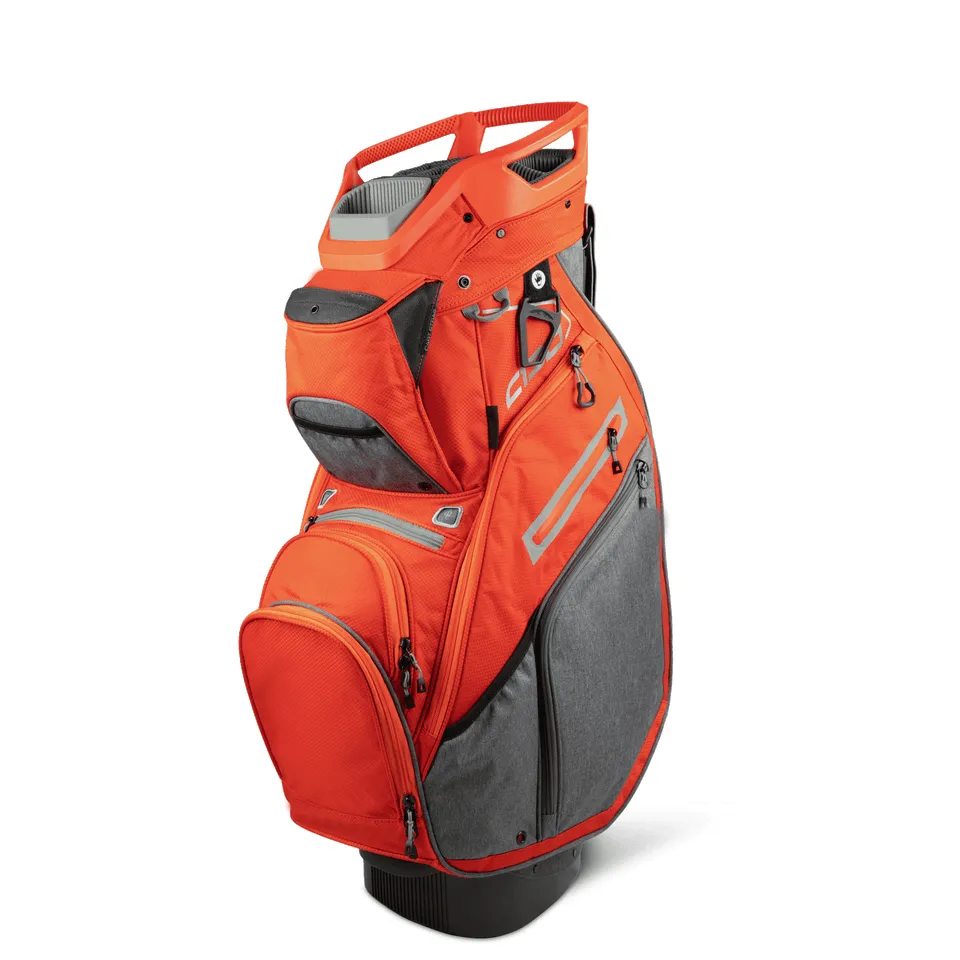
The weight spec runs at the transfer scale: every kilogram a bag carries is a kilogram the transfer-moving player moves — from chair to vehicle, vehicle to tee, and through the round's mounting choreography — which makes the lightweight race's engineering vocabulary the accessibility spec's native language (the weight classes, the material substitutions, the structural efficiency the stand guide's sub-2-kilogram discipline documents, applied with the balance-point geometry added: the carry and transfer points positioned where the player's technique addresses them, the handles engineered for the two-hand and one-hand transfer both).
The balance and load-path engineering that completes the weight spec: the mounted bag's center of mass (the chair or cart's stability with the loaded bag mounted — a spec line the standard bag never writes and the adaptive bag must), the swing-load tolerances (the extraction and return dynamics a seated swing generates, which load the top and dividers differently than the standard draw), and the helper-optional posture (the bag that one person — player or program volunteer — can mount, move and manage solo: the program logistics of the event and institutional channels, which run on volunteer staffing and want the equipment to respect it). The weight section's one-line summary: the adaptive weight spec is the lightweight discipline with the user's physics as the requirement document — the lightest spec the structural classes support, balanced at the points the technique addresses.
Vision-Friendly Organization
The organization spec for guided and self-managed play: high-contrast structures (the club-organization grammar in contrasts the vision-impaired spectrum retains — the headcover and grip distinctions, the pocket-content logic, the orientation cues a low-vision player navigates), tactile distinguishability (the divider-top textures, the pocket flaps and pulls that differ by touch — the bag organized by the hand's map rather than the eye's), and the guide-shared choreography (the two-person bag management of guided play: the player's clubs at the player's extraction points, the guide's organizational access from the guide's side — the placement guide's logic repurposed as a reach-and-role map).
The honest boundary of the section: vision-friendly organization is the lightest engineering lift in this guide (the pattern work is small, the component deltas are minor — the tactile pulls and the contrast structures are catalog items) and the highest courtesy yield (the community's experience of a bag organized for its navigation is the difference between dependence and independence at the course), which makes it the adaptation a program should ship first — the quick win that funds the patience the bigger adaptations (the mounting and geometry work) deserve. The design vocabulary note: the high-contrast organization can be beautiful (the contrast structures as design features rather than clinical markers — the color discipline applied to legibility rather than decoration), and the program that treats accessibility design as design wins both the function and the respect.
The Junior Adaptive Crossover
The adaptive and junior programs intersect meaningfully: pediatric rehabilitation and adaptive junior play run on the same program structures (the school inclusion programs, the therapy-adjacent instruction, the family practice culture the junior guide documents — with the adaptive adaptations layered on the junior geometry), and the manufacturing consequence is a size-band adaptive line: the junior age-band constructions (the 1.0–2.2 kilogram targets, the proportioned geometry) carrying the adaptive spec deltas (the one-hand closures, the seated reach bands, the mounting hardware at junior scale — the lightest, smallest adaptive chassis a program can build).
The crossover's program economics: the junior adaptive program runs through the same institutional buyers (the school and academy structures, the therapy and rehabilitation channels, the families themselves — the school guide's structures at the inclusion program's service), the compliance weight runs at the strictest lines (the junior chemical disciplines of the junior guide and the European stack's PAH discussion, applied without exception — the toy-adjacent classes at the adaptive junior line), and the gift-culture crossover moves the family purchases (the grandparents-and-gifts tier of the gift guide reaching the adaptive family channel). The one-line program summary: the junior adaptive line is two existing programs multiplied — junior geometry times adaptive spec — and the supplier who builds it once serves a channel that has been waiting.
Who Buys Adaptive Programs
The buyer map, in the order programs meet them: the club and course inclusion programs (the accessibility budgets and program directors — the pro shop's institutional counterpart, buying for fleets and events), the veterans initiatives (the rehabilitation and recreation programs that serve veteran communities at scale — the national structures with regional chapters, the charity tournaments and regular leagues their calendars run), the adaptive foundations and associations (the organizations that run the community's tournaments and programs — equipment partnerships, event merchandise, the branded program kit as a standing SKU), the rehabilitation and therapy channels (the clinical-adjacent programs where golf is the therapy — the facilities and their activity budgets), and the events themselves (the adaptive divisions of the tournaments the event guide serves — the player packs, the volunteer kits, the branded equipment of the division).
The program structures the buyers run: institutional volumes (the 50–300 unit orders of fleets, events and program years — the low-MOQ structures fitting the foundation's budget), the loyalty economics of mission-driven channels (the multi-season relationships the reorder discipline serves — the foundation that reorders its program kit annually, the club that refreshes its adaptive fleet against the anchor sample), and the sponsorship overlay (the corporate sponsors of adaptive sport — the branded equipment as sponsorship deliverable, the corporate guide's structures at their most mission-aligned). The channel's honest summary: institutional buyers, mid-sized orders, multi-season loyalty, and a sponsorship economics that pays the program's margins — the gift channel's economics wearing cleats.
Spec Deltas for Adaptive Programs
The spec sheet deltas, collected for the RFQ stage: the pocket map (the seated reach band as the primary zone — wide-mouth, shallow extraction paths, the one-hand operable classes), the closure spec (magnetic and flap classes prioritized, oversized pulls on the zippers that remain), the mounting hardware (the receiver-compatible bases and the quick-attach systems, with the fleet's receiver spec in hand before the pattern), the weight and balance lines (the transfer-tolerant weight class, the balance points at the technique's addresses), the organization grammar (the high-contrast, tactile structures of the vision section), and the labeling blocks (the care and content sets every program carries, with the maintenance card as the program's durability warranty).
What the adaptive deltas do not change — the never-drop lines hold absolutely (the structural seams at the mounting loads, the AQL discipline with the functional checks added for closures and mounts, the labeling integrity), and the manufacturing economics stay standard (the cost stack carries the deltas as named lines — the magnetic closures and the mounting hardware and the reinforced anchors are catalog components, not exotic engineering), which is the section's commercial point: the adaptive program prices as a standard OEM program with a delta list, and the MOQ structures that serve the foundation's budget are the structures that serve every institutional buyer this site documents.
| Spec Line | Standard Program | Adaptive Program | Engineering Consequence |
|---|---|---|---|
| Pocket map | Standing reach, sight line | Seated reach band, wide-shallow mouths | Pattern revision on standard chassis |
| Closure classes | Zippers throughout | Magnetic and flap priority, oversized pulls | Component spec per pocket in the RFQ |
| Mounting | Shoulder and cart bay | Adaptive-cart receivers, wheelchair frames | Hardware line plus structural reinforcement |
| Weight and balance | Band by chassis | Transfer-tolerant class, technique balance points | Lightweight discipline at new criterion |
| Organization | Sight conventions | High-contrast, tactile grammar | Minor pattern and component work |
| Compliance | General product safety | Junior lines at toy-adjacent strictness | Chemical panels at the strictest class |
Working With Foundations and Charities
The working norms of the mission-driven buyer: the budget discipline (the grant and donation cycles that fund the purchases — the program calendar tied to funding seasons rather than retail seasons, and the negotiation guide's structures serving budgets rather than margins), the committee decisions (the program director, the board, the sponsor — the approval chain that wants documentation and the FAQ-grade clarity a proposal carries), and the sample protocol's community dimension (the sample tested by the actual players — the program's user testing is the acceptance criterion, and the sample process runs its most honest iteration: the player whose round the bag serves is the reviewer whose word decides).
The partnership postures that work: the mission-aligned pricing transparency (the cost breakdown shared at summary level — the foundation's board reads a program's honesty as due diligence, and the stack's transparency is the partnership's foundation), the multi-season commitment (the reorder discipline as the program's annuity — the foundation that reorders against the anchor sample every program year), and the sponsorship brokering (the supplier positioned for the corporate sponsors' branded editions — the foundation's revenue line and the program's volume line, one motion). The section's one-line summary: the foundation buyer runs the standard B2B disciplines at mission-driven economics — documentation, multi-season loyalty and budget-honest pricing — and the supplier who respects all three keeps the account for the community's lifetime.
A Worked Veterans Program
The worked program: a 150-unit veterans initiative order (the rehabilitation-and-recreation program of a veterans' golf structure — the standing program kit: the adaptive-friendly chassis for the program's fleet and players), specced honestly: a hybrid chassis base (the hybrid's flexible geometry — the program's play spans carts, single-rider adaptations and guided walking), the adaptive delta list (the magnetic closures and wide-mouth primary pockets, the oversized pulls, the mounting-compatible base for the fleet's single-rider carts, the high-contrast organization on the club top), and the program branding (the initiative's identity across the placement logic's visible panels, the sponsor line on the quiet panel the corporate guide's sponsorship structures position).
The economics and the lesson: the order prices as a standard mid-band program plus the delta list (the cost stack carrying the magnetic closures, the mounting hardware and the reinforced anchors as named lines — a single-digit percentage adder on the chassis cost), the calendar runs the funding season (the grant cycle's spring decision, the summer sampling, the fall delivery against the program year — the timeline guide's 35–50 days inside a funding calendar), and the reorder shape is the annuity (the program year that renews, against the anchor sample, at the foundation's budget cadence). The lesson the worked program carries: the adaptive program is a standard program plus an honest delta list, bought by an institutional buyer whose loyalty compounds — and the first supplier to quote the delta list well becomes the channel's default.
Design Language and Representation
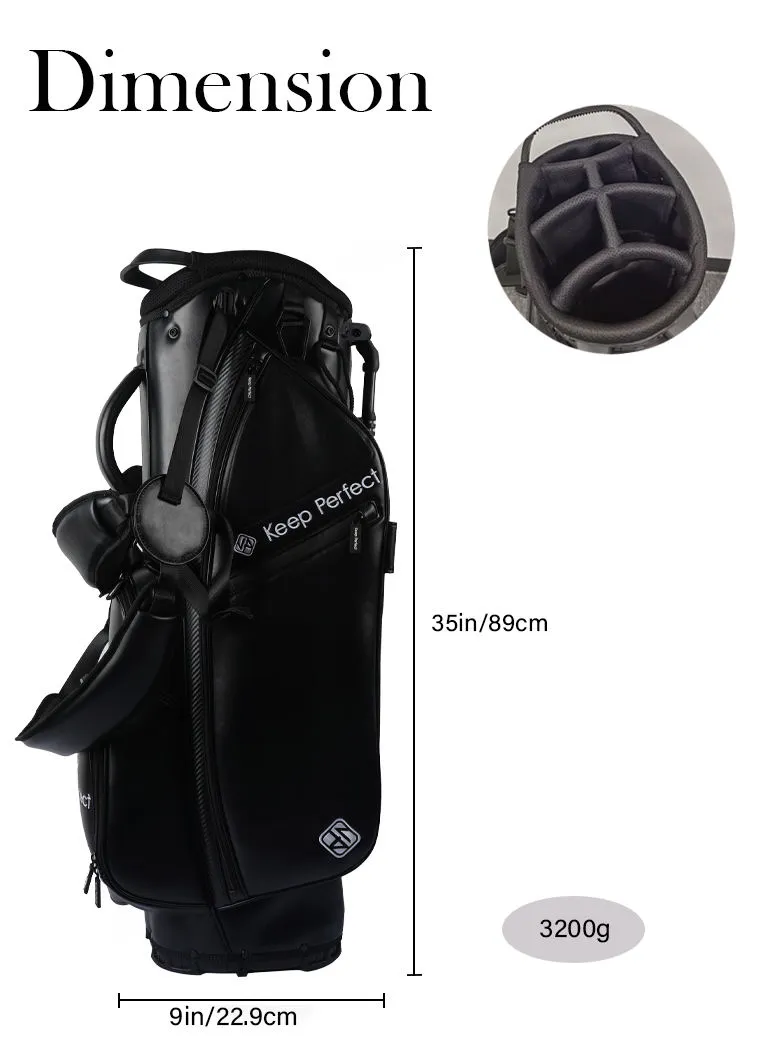
The design-language discipline the community deserves: the adaptive program's design should be the program's design first (the identity, the colors, the branding of the club or foundation or initiative — the adaptive adaptations engineering spec, not design costume), the medical-vocabulary caution (the equipment should read as equipment — the adaptive spec expressed in the same design vocabulary every program uses, not in clinical markers that label the user at address), and the consultation norm (the design reviewed with the community it serves — the players whose round the bag carries are the reviewers whose notes the design takes, the same user-testing honesty the sample section runs).
The commercial expression of the discipline: the adaptive line designed as a line (the chassis family with the adaptive spec as one execution among several — the program that carries the adaptive delta list as an option on its standard platforms, priced and documented like any other configuration), which is both the honest posture (the equipment is normal equipment engineered for real users) and the scalable one (the supplier whose standard RFQ includes the adaptive delta list serves the community without a special program — and the community's buyers notice exactly that). The one-line summary the section earns: design the identity, engineer the adaptation, consult the players — in that order, and the program is right on all three.
Common Mistakes in Adaptive Programs
The mistakes first adaptive programs make: the afterthought adaptation (the standard bag with a magnetic pocket added as a gesture — the delta list run at its shallowest, and the community's users, who improvise daily, recognize improvisation instantly), the consultation skip (the design reviewed by everyone except a player — the sample process run without its most honest reviewer), the geometry miss (the seated reach band missed by a pattern cut from standing assumptions — the sample stage catches it, expensively), the mounting miss (the receiver spec not asked for before the pattern — the fleet's hardware discovered at delivery), and the charity posture error (the program priced or designed as a donation rather than a market — the foundation's buyers, who run procurement professionally, read the posture immediately and respect the supplier who respects them).
The quieter mistakes that cost the second season: the durability miscalculation (the adaptive equipment worked hard and its AQL discipline cannot run a class looser than any institutional fleet — the community's usage is industrial, and the anchor sample's consistency at reorder is the program's proof), and the vocabulary drift in the marketing copy (the community's language moving faster than the supplier's — the program's copy reviewed by the program director, annually, the same review the documentation guide's claims get). The root of all of them: the adaptive program is a real program with real buyers and real physics — and the supplier who treats it as such has already made none of them.
Frequently Asked Questions
What is an adaptive golf bag?
A golf bag engineered for adaptive play: the seated-position pocket geometry, one-hand closure classes, adaptive-cart mounting hardware, transfer-tolerant weights and vision-friendly organization that standard bags assume away. The engineering is standard chassis work plus a named delta list — pattern revisions, component specs and mounting hardware priced like any other OEM configuration.
Who buys adaptive golf bag programs?
Institutional buyers: club and course inclusion programs, veterans initiatives, adaptive foundations and associations, rehabilitation and therapy channels, and the tournaments with adaptive divisions. The orders are institutional volumes — commonly 50–300 units — funded by grant and program budgets, with multi-season loyalty that compounds.
How do you make a golf bag one-hand operable?
Closure engineering first: magnetic closures (the alignment-forgiving, self-closing class), wide-mouth flap systems with grab-friendly pulls, oversized zipper pulls on the closures that remain, and hook-and-loop where it fits. Then the operation classes: easy-draw club tops, single-motion ball and accessory systems, quick-release strap hardware — existing conveniences re-specced at the one-hand criterion.
Can a golf bag mount to a wheelchair or single-rider cart?
Yes — as a mounting hardware spec: receiver-compatible base geometry for single-rider carts, clamp and frame receivers for wheelchair play, quick-attach hardware for the mount-and-dismount choreography, and the structural reinforcement at the anchor points the mounting loads demand. The fleet's receiver dimensions should be in hand before the pattern is cut.
What pockets work best for seated golfers?
The seated reach band as the primary zone: pockets positioned for a seated arm's arc without torso twist, wide and shallow rather than deep and narrow for the extraction path, one-hand closures throughout, and the club top's divider run engineered for a partial-strength, partial-range draw — the standing bag's geometry redrawn around the seated operator.
Are there golf bags for vision-impaired players?
The vision-friendly organization spec: high-contrast club and pocket structures the low-vision spectrum retains, tactile distinguishability at the divider top and pocket pulls (the bag organized by the hand's map), and the guide-shared choreography of guided play — the player's clubs at the player's extraction points, the guide's access from the guide's side. The engineering lift is the lightest in the adaptive list and the courtesy yield the highest.
Is adaptive golf a real market for manufacturers?
An organized one: international para-golf circuits, national classification bodies, veterans initiatives at scale, foundations and club inclusion programs — institutional buyers with budgets, event calendars, sponsorship overlays and multi-season loyalty. The equipment gap is genuine (the community adapts standard gear through improvisation), which makes every unmet spec a product line the first supplier to quote it can own.
How much more does an adaptive golf bag cost?
A single-digit percentage adder on the standard chassis, typically: the delta list (magnetic closures, oversized pulls, mounting hardware, reinforced anchors) prices as catalog components in the standard cost stack. The geometry revisions are pattern work priced like any OEM customization. The honest RFQ names the deltas as lines — and the foundation's board reads the transparency as due diligence.
What is the junior adaptive crossover?
The size-band adaptive line: the junior age-band constructions (the 1.0–2.2 kilogram targets and proportioned geometry) carrying the adaptive spec deltas — one-hand closures, seated reach bands, junior-scale mounting hardware. The buyers are the school inclusion programs, therapy-adjacent instruction channels and adaptive families; the compliance runs at the strictest junior chemical classes.
How should suppliers talk about adaptive programs?
As programs, not charity: the adaptive spec as engineering on the standard RFQ's delta list, the design as the club or foundation's identity (the adaptations in the same design vocabulary every program uses, never clinical costume), the copy reviewed by the program director annually — and the players consulted as the reviewers whose notes the design takes. The community's buyers read the posture immediately.
Do veterans golf programs need special bags?
Veterans initiatives run rehabilitation-and-recreation programs whose players span the adaptive spectrum — so the program kit wants the adaptive delta list on a flexible chassis (carts, single-rider adaptations, guided walking in one program). The buyers are the initiatives' program directors, with grant-cycle calendars, committee approvals and multi-season renewals — institutional procurement at mission-driven economics.
What mistakes do adaptive golf bag programs make?
The five classics: the afterthought adaptation (the one magnetic pocket as gesture), the consultation skip (no player reviews the sample), the standing-pattern geometry miss, the mounting receiver discovered at delivery, and the charity posture in pricing or design. The quieter ones: durability run a class loose, and marketing vocabulary left unreviewed. All share one root — treating the adaptive program as less than a real program.
Can standard golf bags be adapted after purchase?
Partially, through improvisation — the community's bungee solutions and helper-dependent routines. But the mounted hardware, the seated pocket geometry and the one-hand closure classes are pattern-and-BOM decisions that retrofit cannot reach honestly. The adapted equipment that exists as a program category (the standard chassis with the delta list specced at the RFQ) is the gap the market has not yet filled at scale.
How does an adaptive program start with a manufacturer?
With the delta list and the fleet spec: the program director brings the use-case description (who reaches, who closes, who mounts — the vehicle receivers in hand), the supplier quotes the standard chassis plus the named deltas (the OEM structures price it like any customization), and the sample runs its community review — the players whose round the bag serves as the reviewers. The 150-unit worked program in this guide is the shape.