
What "Documented" Adds to "Sustainable"
A documented program ships evidence with the goods: certificates, test reports and material declarations that trace each claim to a standard and a lot number. An undocumented program ships adjectives — and in 2026, adjectives are a liability with a marketing budget.
The distinction is regulatory before it is ethical. The FTC's Green Guides require that environmental claims be specific, substantiated and qualified to what the evidence actually shows; the EU's consumer-protection direction on environmental claims pushes further, requiring proof for the vague terms ('eco', 'climate-friendly', 'green') that used to decorate hangtags for free. A 'recycled' claim without a certification chain behind it is not a marketing weakness anymore — it is a complaint letter waiting for a regulator's stamp. The buyers who read this landscape correctly treat sustainability as a documentation discipline with a marketing dividend, not a marketing exercise with a paperwork afterthought.
The practical difference ships in the carton. The documented program's goods arrive with the GRS certificate scope-matched to the yarn in the fabric, transaction certificates (TCs) tying the specific recycled lots to your production order, test reports for the claims the labels make, and a materials declaration that lets your own compliance team answer a retailer's questionnaire in an afternoon. The undocumented program's goods arrive with a hangtag that says 'planet-friendly' and a supplier conversation that says 'trust us.' Retailers, corporate buyers and increasingly the AI-assisted shoppers from the 2027 trends guide can tell the difference in one follow-up question — and it is always one follow-up question.
The Claims Landscape and Its Regulators
Four rulebooks govern what a golf bag can say. The FTC Green Guides (US): claims must be specific and substantiated — 'made with recycled polyester' needs a percentage and a certificate, and qualifiers must be as prominent as the claim. The EU direction on empowering consumers: vague green claims face restriction without verifiable proof, and sustainability labels multiply only when certified. ISO 14021 (self-declared environmental claims): the international baseline for honest self-labeling — specific, verifiable, not misleading. And the retail layer: major retailers' own supplier questionnaires, which operationalize the rulebooks into itemized forms. A program designed against ISO 14021 discipline clears the other three without drama; a program designed against a competitor's hangtag clears none of them.
The pattern across all four: the enforcement mechanism is the follow-up question. 'Recycled content?' — the answer must have a percentage. 'Certified?' — the answer must name the standard and the certifier. 'Traceable?' — the answer must reference transaction documents. This is why the documentation-first program is calmer: every adjective it might want to use already has its evidence sitting in a folder, and the marketing writes itself from the file instead of ahead of it. The materials guide covers the performance side of the fabric families; this guide covers the proof side.
Recycled Content: RPET From Bottle to Bag
The mechanical recycling chain behind a recycled-polyester golf bag runs: collected PET bottles (baled, sorted, washed) → flake → extruded RPET fiber → spun yarn → knitted or woven fabric with a PU or PVC coating (the coating chemistry is the part that must match the claim — 'recycled fabric' claims cover the textile, and the coating percentage is where sloppy programs overclaim) → cut and sewn into the bag. The performance reality, stated honestly: mechanically recycled polyester loses a little tenacity per cycle, so quality RPET fabrics are engineered as blends (often with virgin fiber for strength) — a 'GRS 50%' fabric is half recycled content by weight, and honest programs state the percentage. The hand, the denier system and the coating options all map to the virgin fabric ladder from the materials guide, which is why a recycled program does not require a performance compromise — only a materials-decision discipline.
The demand-side reality: recycled content is the sustainability claim with the clearest buyer pull — corporate programs ask for it by name, EU retail increasingly rewards it, and the corporate gifting channel uses it as a story employees repeat. The supply-side reality: GRS-certified RPET fabric costs 5–12% more than its virgin equivalent at program volumes, and the certification chain adds documentation cost on top. The program economics section below prices the full ladder; the summary is that recycled content at the 30–50% tier amortizes to roughly USD 0.80–2.00 per bag at 500 units — real money, competitive story, and the file is the moat.
The GRS Chain: From Grinder to Transaction Certificate
The Global Recycled Standard (Textile Exchange) is the certification system the market actually checks: it verifies recycled content percentages, chains the custody of the material through every owner, and layers chemical management and environmental/social processing requirements. The chain that matters to a bag buyer runs: a certified spinning mill sells GRS yarn with a transaction certificate (TC) to a certified weaver/knitter; the fabric mill sells GRS fabric with its own TC to the bag manufacturer; the manufacturer's finished goods carry the chain forward; and your production lot is traceable through the TC sequence — the same lot-number discipline as the reorder consistency system, applied to the material's history. A supplier saying 'our fabric is GRS' without offering the TC for your lot is describing their catalog, not your goods.
The buyer's verification moves, in order: ask for the supplier's GRS scope certificate (what they are certified to do — trading, manufacturing), then the TC chain for the specific lot (the document that proves your fabric's recycled content moved through certified hands), then the content percentage the TC declares (GRS certifies the percentage, and the hangtag must match it). All three documents are standard paperwork for a genuinely certified supplier — requesting them is not an insult, it is the system working. A supplier who cannot produce them within days is telling you something; write the clause from the PO section below and let the documents answer.
What a Verified Claim File Looks Like
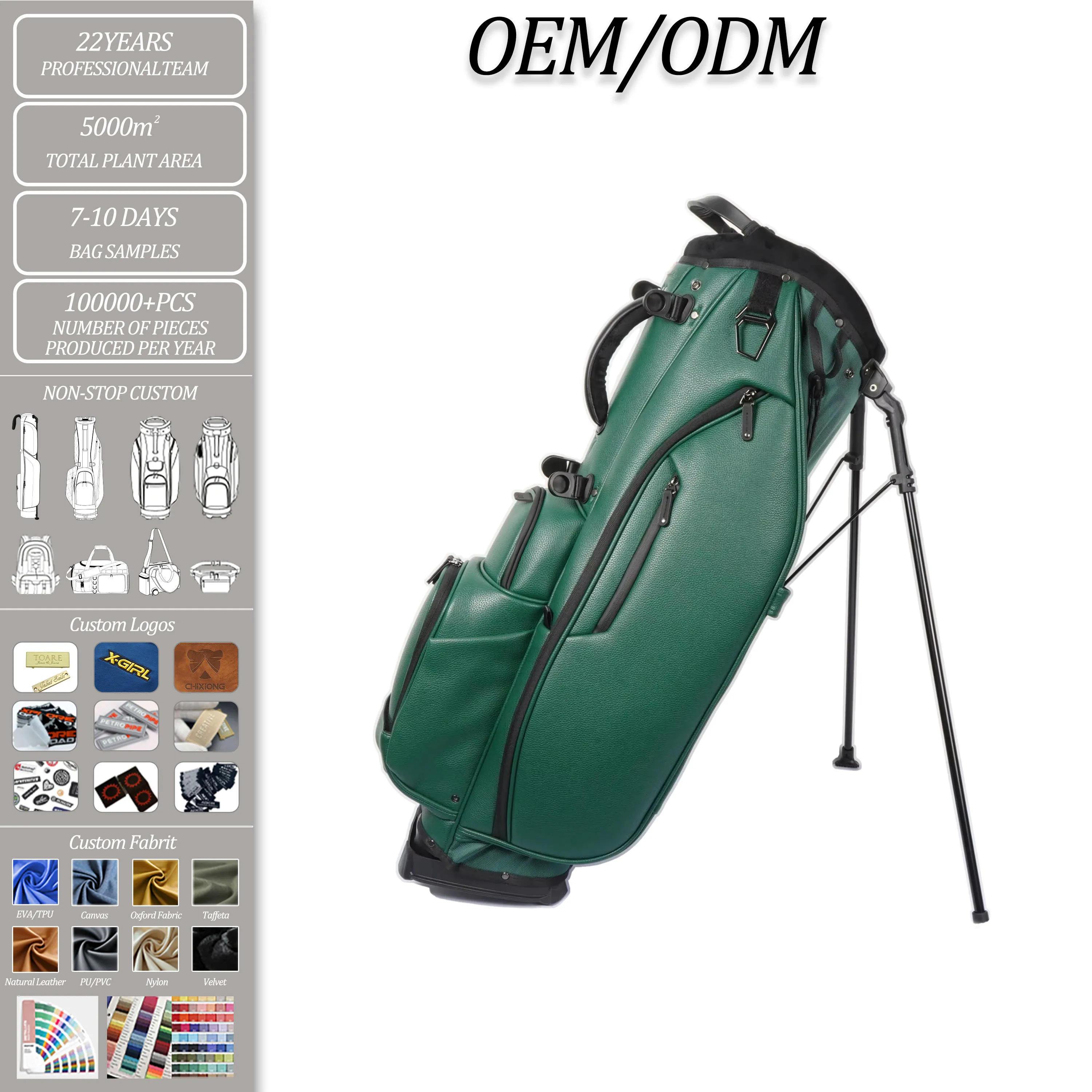
The folder behind one honest hangtag, itemized. The claim: 'Body fabric woven from 50% GRS-certified recycled polyester.' The file: the spinning mill's GRS scope certificate (current year), the TC for the yarn lot with the recycled percentage declared, the fabric mill's TC continuing the chain to the manufacturing lot, the bag maker's GRS scope certificate covering finished goods, and a materials declaration itemizing the rest of the bag honestly (hardware, zippers, foam, coating — the components that are not recycled, stated as not recycled, because the declaration's honesty is what makes the certified part credible). If the hangtag adds a durability claim ('built for five seasons'), the file adds the test basis — the seam and cycle standards from the AQL discipline and the materials guide's durability ladders.
The discipline that keeps the file honest is proportionality: each claim gets exactly the evidence it needs, and unclaimed attributes stay unclaimed. A program with 50% recycled body fabric that claims only that — and whose declaration says 'hardware and coating: conventional' — is a stronger marketing position than a program claiming 'eco-friendly bag' with the same construction, because the first claim survives the follow-up question and the second does not. The file's completeness is what the marketing borrows authority from; its restraint is what keeps the authority.
Beyond Fabric: the Other Three Levers
Fabric is one lever of four. Packaging reduction, mono-material design for recyclability, and durability engineering each carry documented impact with no certification chain — and often negative cost.
Packaging: the packaging guide's tiers run from polybag to full retail sets, and the reduction lever runs the other way — right-sized cartons, recycled-content outer packaging, soy or water-based inks, no PVC windows, and the honest arithmetic that lighter packing also cuts freight (the incoterms guide's CBM math rewards every gram three times: ocean cost, handling, and the emissions story). The documentation: the carton spec sheet and the recycled-content percentages on packaging materials — claims with the same evidence discipline, smaller stakes. Cost impact: usually neutral to negative — right-sizing saves money while it saves volume.
Durability and repairability: the least glamorous lever and the one with the largest documented impact — a bag that lasts five seasons instead of two displaces two whole bags, and the engineering is the standard's red-line discipline (structural seams, hardware tiers, the hand-me-down test's failure analysis) applied deliberately. The documentation: seam specifications, hardware cycle ratings, a repair-friendly construction (replaceable straps and zipper pulls — the travel cover guide's field-repair economics), and a care guide (the labeling guide's ISO 3758 care symbols in an honest usage context). 'Built to last, documented to prove it' is a sustainability claim with no certificate required and a two-order customer as its receipt.
Design for Disassembly and End of Life
Recyclability is mostly a design-stage decision, and the honest engineering for a soft-goods product is disassembly: mono-material construction where possible (a bag whose body, lining and straps can be separated into single-polymer streams recycles; a laminated multi-polymer composite does not), mechanical attachment where adhesives dominate (stitched construction disassembles; bonded seams do not), and hardware that comes off with a screwdriver rather than a pry bar. The full-mono-material golf bag is not currently a practical product — the coating chemistry, foam and hardware resist it — but the direction is honest and documentable: a program that increases separable components and states its disassembly time ('hardware removable in 10 minutes, two tools') is making a verifiable claim in a category full of unverifiable ones.
The end-of-life programs that work today are take-back and resale rather than fiber recycling: the second-hand market for quality golf bags is real (the durability lever's economic afterlife), and brand take-back programs that refurbish and re-sell (with the repair-friendly construction from the durability section) close the loop the certification chain does not. The documentation for this layer is a program document rather than a certificate — the take-back terms, the refurbishment standard, the resale channel — and it pairs naturally with the private-label structures from the brand launch guide: the brand that owns its resale economics owns its end-of-life story.
Greenwashing Red Lines That Kill Brands
The five patterns regulators and journalists hunt, in current form. Vague-claim wallpaper: 'eco-friendly golf bag' with no percentage, standard or scope — the FTC's first example category and the EU's explicit target. Hidden trade-offs: 'recycled fabric!' on a bag whose coating, foam and hardware are conventional and undeclared — the claim is technically true and holistically misleading, and the materials declaration from the claim-file section exists precisely to prevent it. Unsubstantiated percentages: '50% recycled' with no TC chain — a number without a document is a guess wearing a lab coat. Borrowed certification: 'GRS-certified factory' implying GRS goods — the scope certificate covers processes, the TCs cover your lot, and conflating them is the industry's most common soft fraud. And the offset-only story: 'carbon-neutral shipping' as the product's entire sustainability identity — true of any shipping budget, meaningful of none.
The red lines are also the marketing map inverted: every honest claim is the vague claim with its evidence attached. 'Recycled' becomes '50% GRS recycled body fabric, TC-verified' (a specific claim with a document). 'Eco' becomes the itemized declaration (what is recycled, what is conventional, what is designed for disassembly). 'Sustainable' becomes 'built for five seasons — here are the seam specs' (durability, documented). The brands that die on sustainability do not die from having too little; they die from claiming more than their file supports, and the follow-up question arrives with the market's full attention attached.
The Cost Ladder of Honest Sustainability
The ladder, priced at program volumes (500-unit stand-bag programs, 2026 quotations): Tier 0, documentation only — honest declarations, no premium content, packaging right-sized: cost impact USD 0 to −0.50 per unit (savings from packaging reduction), and the program can truthfully market its durability and transparency. Tier 1, entry recycled — 30% GRS body fabric where the fabric cost delta is real: USD 0.80–1.50 per unit, hangtag-ready with the TC chain. Tier 2, committed — 50% GRS body fabric plus recycled-content packaging plus the durability spec published: USD 1.50–2.50 per unit, the tier corporate gifting buyers ask for by name. Tier 3, flagship — recycled or bio-based content maximized where engineering allows, disassembly features, take-back program: USD 3.00–5.00 per unit, a marketing story with its own SKU.
The pricing translation follows the standard models (the cost guide's keystone math): a Tier 2 program at +USD 2.00 per unit carries a retail premium of USD 10–20 without price resistance in the channels that ask for the story — corporate programs, EU retail, premium DTC — because the buyer was already valuing the claim; the document is what converts their intent into their PO. The honest ceiling: Tier 3 costs more than the mass market pays, which is why it ships as the flagship SKU in a tiered line rather than the whole line — the design ideas guide's portfolio logic applied to the sustainability axis.
| Tier | Content & Features | Per-Unit Impact | Claim Space |
|---|---|---|---|
| 0 Documented | Honest declaration, right-sized packaging | USD 0 to −0.50 | Transparency + durability |
| 1 Entry recycled | 30% GRS body fabric + TC chain | USD 0.80–1.50 | "50% of body fabric recycled" — percentage, scope |
| 2 Committed | 50% GRS + recycled packaging + published durability | USD 1.50–2.50 | Named standards, itemized declaration |
| 3 Flagship | Max recycled/bio content, disassembly, take-back | USD 3.00–5.00 | Full file, program story |
Retail and Corporate Demand Signals
Where the documented tiers actually get bought, in current order of pull. Corporate programs: the strongest channel — sustainability criteria appear in procurement questionnaires and event-brief checklists, and the corporate gifting and gift programs guides' tier structures price the story as a gift SKU feature. EU retail: regulatory pressure plus consumer expectation rewards Tier 1–2 on shelf, and the retailer questionnaires operationalize the demand. US premium retail: rewards Tier 2 with storytelling support — the durability-plus-recycled story photographs well and answers the golf-adjacent outdoor aesthetic. DTC brands: the most flexible buyer — Tier 3 flagship SKUs sell direct where the story gets the full margin, and the 2027 buyer trends note the AI-discovery layer favoring specific, citable claims over mood-board sustainability.
The demand signal that matters most for program design: buyers increasingly ask the follow-up question before the PO, not after — the questionnaire arrives at quotation stage, which means the file must exist at quotation stage. Programs that build the documentation into the first PO (the clauses below) answer in a day; programs that assemble it after the goods ship answer in a crisis. The sustainability calendar is therefore the same as the compliance calendar from the junior guide: the file runs ahead of the goods.
Writing Sustainability Into the PO
Four clauses turn green promises into verifiable commitments: the content specification, the certification chain clause, the document-delivery schedule, and the claim-support warranty.
Clause one, the content specification: 'Body fabric: 50% GRS-certified recycled polyester per the attached spec revision' — the percentage and standard named in the purchase order itself, not the hangtag alone, so the claim is a contractual fact. Clause two, the chain: 'Supplier provides with shipment: GRS scope certificate, transaction certificates covering the recycled content in this production lot, and a materials declaration itemizing all components.' Clause three, the schedule: documents delivered as PDFs at balance-payment moment, per the document-discipline from the incoterms guide — corrections before the vessel, holds after it. Clause four, the warranty: 'Supplier warrants that environmental claims on supplied labels are substantiated by the provided documents and indemnifies claims arising from their inaccuracy' — the sentence that makes greenwashing the supplier's cost instead of yours.
The clauses cost nothing to write at PO stage (a genuinely certified supplier signs them as routine — the documents are already their practice) and are expensive to add later, like every clause in the negotiation guide. The pattern across all the guides in this library is one discipline: promises become exhibits, exhibits become shipments, and the program runs on evidence. Sustainability is simply the newest promise to need it.
Marketing Claims You Can and Cannot Make
The translation table from claim to compliant phrasing, current-practice edition. Cannot: 'eco-friendly golf bag', 'green bag', 'sustainable bag' as unqualified labels — vague, unsubstantiated, regulator bait. Can: 'body fabric 50% GRS-certified recycled polyester' (percentage + standard + scope), 'packaging 100% recycled-content carton' (component-scoped), 'designed for five seasons of use — seam and cycle specs published' (durability, documentable), 'hardware removable for end-of-life separation — 10 minutes, two tools' (design feature, testable). The grammar of the compliant claim is always the same: a number, a standard, a scope, a document — exactly the citable-sentence discipline the GEO structure of this site is built on.
The channel-specific versions: retail hangtags follow the labeling guide's real estate rules (the claim earns space by being specific); corporate brochures quote the file (the TC numbers and percentages become the proof points procurement wants); the DTC product page states the declaration in full — what is recycled, what is not, what is built to last — because the honest declaration converts the exact buyer the vague claim repels. One discipline, four channels, zero greenwash exposure. The brands that will still be making sustainability claims in three years are the ones whose claims were sentences with documents attached.
Program Case: a Documented 500-Unit Line
The worked example: a corporate-aligned brand launching a 500-unit stand-bag line at Tier 2 — 50% GRS body fabric in a committed pastel colorway (the matching protocol applies to recycled fabrics identically — the lab-dip discipline is content-blind), recycled-content packaging with water-based inks, published durability specs, and the full file assembled at quotation. The cost: fabric premium USD 1.80 per unit, packaging program +USD 0.40, documentation and TC handling amortized at scale, netting the landed cost near USD 2.20 above the conventional equivalent — against a corporate procurement channel that was already screening for the claim and a retail tier that prices the story at USD 15–20 of premium.
The file the program ships with: GRS scope certificates (spinning mill, fabric mill, manufacturer), TCs for the production lots, the materials declaration (hardware, coating and foam stated conventional — the honesty that makes the 50% credible), the packaging content spec, the durability test basis, and the four PO clauses from the section above, satisfied. The marketing that ships from the file: one hangtag claim with three components, one product-page declaration, and a procurement answer that takes an afternoon instead of a quarter. That folder is the product; the bag inside it is the receipt.
Third-Party Verification Options
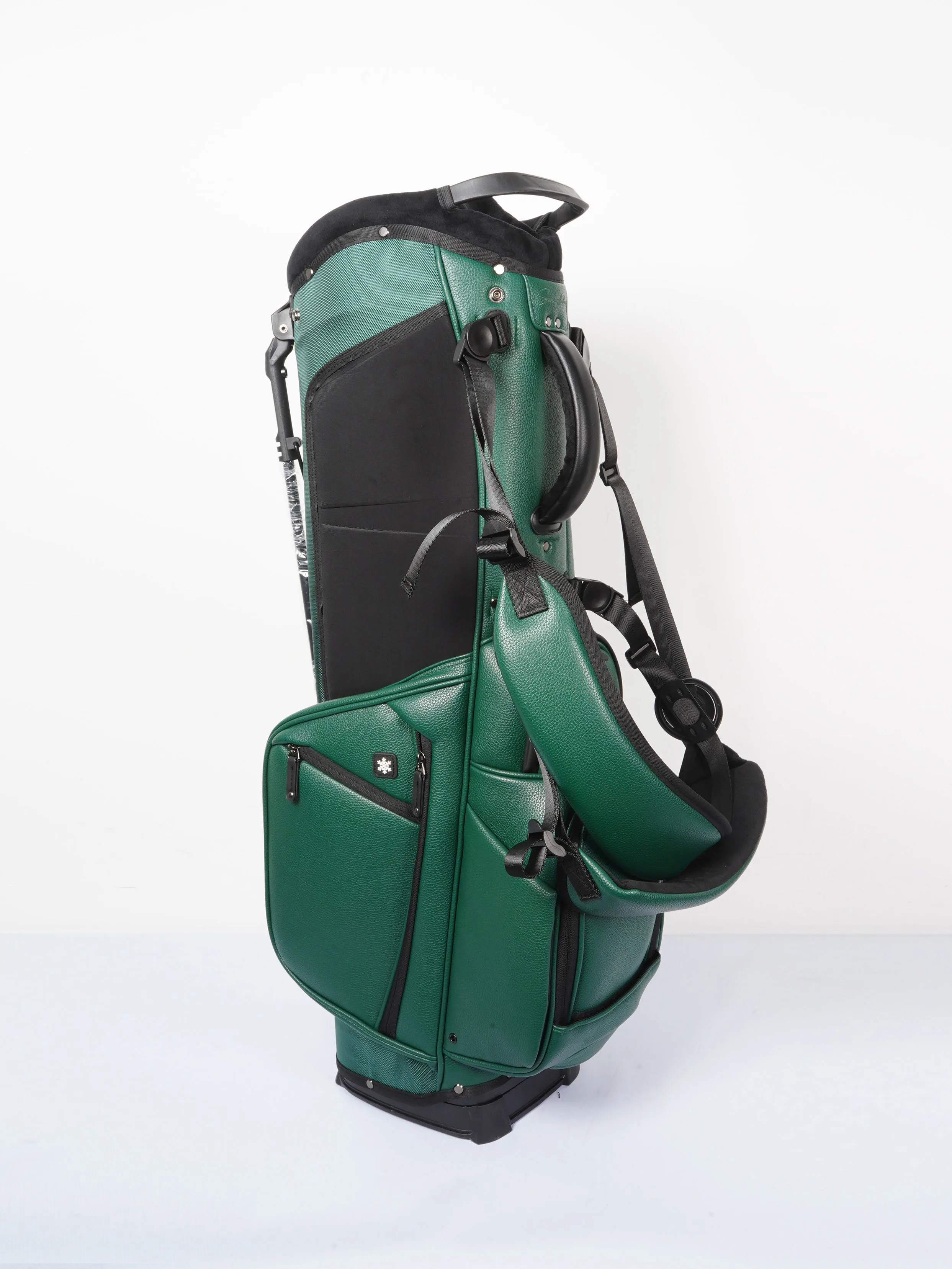
The verification menu beyond GRS, for the claims GRS does not cover. Recycled content alternatives: SGS or Intertek content-verification testing on fabric samples (the labs from the AQL ecosystem — a test report that verifies the recycled percentage chemically where a TC verifies it documentarily, and some buyers want both). Durability claims: cycle and seam testing to published standards (the same third-party inspection infrastructure, applied to claims instead of defects). Bio-based content: ASTM D6866 or equivalent testing where a program uses bio-based polymers — niche in this category today, but the test route is established. And the catch-all: a supplier audit against a claims standard (ISO 14021 self-declaration discipline verified by a third party), which converts a self-declared file into a verified one for buyers who need the extra signature.
The selection discipline is the same as the inspection discipline from the AQL guide: verify what you claim, at the claim's point of risk, with the cheapest instrument that closes the question. A TC closes the recycled-content question for USD 0; a lab test closes the percentage question for a few hundred; an audit closes the file question when the buyer above you requires it. Programs that buy verification by need — rather than by anxiety — spend their sustainability budget where it produces documents their buyers actually accept.
Starting a Documented Program
Choose the tier by channel (0 for transparency stories, 1–2 for retail and corporate, 3 for the flagship), and the file assembles with the quotation: content spec, TC chain, declaration, clauses.
The brief that quotes cleanly: the tier (named from the ladder above, with the content percentage it implies), the colorway and chassis (the recycled fabrics spec into the standard constructions — the materials guide's families all have GRS equivalents), the branding plan, and the program's claim ambition stated as the sentence you want on the hangtag — because the sentence determines the file. The quotation returns with the fabric premium priced at your tier, the TC chain confirmed, and the four PO clauses attached; samples run 6–10 working days (recycled fabric sampling is identical to virgin — the lab-dip loop from the matching protocol), bulk 35–50 days with the documents delivered at balance.
Junyuan has run documented sustainability programs for export since before the current wave made them fashionable — the GRS chain handling, the declarations and the clause discipline in this article are standard practice at our desk. Four sentences through the quote form (tier, content percentage, hangtag sentence, quantity and window) start the process; the file and the goods ship together, which is the entire point.
Frequently Asked Questions
Can a golf bag actually be sustainable?
Honestly, in specific documented ways: 30–50% GRS-certified recycled body fabric (verified by transaction certificates through the supply chain), recycled-content packaging, durability engineering that displaces replacement bags, and design features that enable end-of-life separation. What it cannot honestly be is 'eco-friendly' as an unqualified label — that claim has no evidence structure. The market rewards the documented version: a percentage, a standard, a scope and a file, shipped with the goods.
What is GRS certification for recycled fabric?
The Global Recycled Standard (Textile Exchange): it certifies recycled content percentages, chains the material's custody through every certified owner (spinning mill to fabric mill to manufacturer, each transfer documented by a transaction certificate), and layers chemical and environmental processing requirements. For a buyer the three documents that matter: the supplier's scope certificate (what they are certified to do), the TC chain for your production lot (the proof your fabric's content moved through certified hands), and the declared percentage your hangtag must match.
How much more does recycled fabric cost?
GRS-certified RPET runs 5–12% over virgin equivalents at the fabric level, amortizing to roughly USD 0.80–1.50 per bag at 30% content and USD 1.50–2.50 at 50% on a program stand bag, plus packaging and documentation program costs at the committed tiers. The premium carries a retail uplift of USD 10–20 in the channels that screen for the story — corporate procurement, EU retail, premium DTC — because the buyer was already valuing the claim; the file converts intent into PO.
What is RPET and how does it become a golf bag?
Mechanically recycled PET: collected bottles are baled, washed and ground to flake, extruded into RPET fiber, spun into yarn and woven into fabric that specs onto the same constructions as virgin polyester — with quality RPET often blended for strength (a 'GRS 50%' fabric is half recycled content by weight, stated as such). The coating chemistry stays conventional, which is why honest claims scope the textile: 'body fabric 50% recycled' is true and documentable; 'recycled bag' is neither.
How do I verify a supplier sustainability claim?
Ask the three questions that make up the follow-up test: certified by what standard (GRS covers recycled content — ask for the scope certificate)? Traceable how (request the transaction certificates for YOUR production lot — a catalog GRS claim is not a goods claim)? At what percentage (the TC declares it, and your hangtag must match)? A genuinely certified supplier produces all three within days and signs the PO clauses without friction; one who cannot is answering the question differently.
Is "eco-friendly" a legal claim for a product?
As an unqualified label, it is regulator bait in both major markets: the FTC Green Guides require environmental claims to be specific and substantiated, and the EU's consumer-protection direction restricts vague green claims without verifiable proof. The compliant version is always a sentence with a number, a standard and a scope: 'body fabric 50% GRS-certified recycled polyester' survives the follow-up question; 'eco-friendly golf bag' is the follow-up question.
What sustainability claims can I legally put on a golf bag hangtag?
Component-scoped, percentage-specific, standard-named claims with documents behind them: recycled content by component with the percentage and GRS reference; recycled packaging content; durability claims with a test basis ('five-season construction — seam specs published'); design features that are testable ('hardware removable in 10 minutes, two tools'). The grammar is constant: number, standard, scope, document. The claims that fail are the ones the grammar cannot support — vague, unscoped, or borrowed from a factory's catalog rather than your lot.
Does sustainable packaging matter for golf bag programs?
It is the highest-ROI lever after fabric: right-sized recycled-content cartons with water-based inks typically price neutral to negative (right-sizing saves freight — the CBM math rewards it), and the claims are documentable at carton-spec level. The packaging guide's tiers apply with the content column added: the retail tier earns the recycled story visibly, the program tier earns it on the invoice, and the packaging claim pairs naturally with the fabric claim in one declaration file.
Is durability really a sustainability feature?
It is the largest documented one available to a bag program: a five-season bag displaces two replacement bags, and the engineering is the standard red-line discipline (structural seams, hardware cycle ratings, repair-friendly construction) already documented in the quality and reorder guides. The claim structure is honest because it is testable — seam specifications, cycle standards, field-repair economics — and it requires no certificate chain, only a published basis. 'Built to last, documented to prove it' is the sustainability claim every channel accepts.
How do corporate buyers evaluate golf bag sustainability?
By questionnaire at quotation stage: content percentages, certification standards, traceability documents, and the materials declaration — the follow-up questions arrive before the PO, which is why the file must exist at quotation, not after shipment. The corporate channels (gifting, events, employee programs) screen hardest and reward the committed tiers with premium acceptance; the procurement answer assembled from a complete file takes an afternoon, and the same answer assembled from promises takes a quarter.
What is greenwashing risk in golf bag marketing?
The five patterns regulators hunt: vague claims without specifics, hidden trade-offs (recycled fabric hiding conventional everything-else), unsubstantiated percentages, borrowed certification (a factory's GRS implying your goods'), and offset-only stories standing in for product substance. Each is a marketing sentence ahead of its evidence file. The prevention is structural: every claim cites its document, the declaration states what is conventional as plainly as what is recycled, and the hangtag never travels beyond the file.
Can recycled golf bags perform like regular ones?
Yes — mechanically recycled polyester is engineered as quality blends and specs onto the same constructions: the denier system, coating options, hydrostatic head and abrasion behavior map to the materials guide's virgin ladders at honest tiers. The spec discipline is identical: performance numbers on the sheet (weight, denier, hydrostatic head), lab dips through the same matching protocol, AQL inspection unchanged. The recycled program is a materials decision plus a documentation discipline, not a performance compromise.
How do I start a documented sustainable golf bag program?
Four sentences through the quote form on this site: the tier (0–3 from the cost ladder) with its content percentage, the chassis and colorway, the hangtag sentence you want to be able to say (the sentence determines the file), and quantity with season window. The quotation returns with the fabric premium priced, the TC chain confirmed and the four PO clauses attached; samples in 6–10 days, bulk in 35–50 with documents delivered at balance. Junyuan has run documented programs for export since 2014.