
What Makes a Drop a Drop
Four elements, all required: a finite numbered run announced before release, a date and channel for the release, a design that will not quietly continue, and an archive that proves the count. Remove any one and it is a promotion wearing a drop costume.
The structure distinguishes itself from every other program in these guides by what it refuses: unlimited production. Element one, the finite run — a number stated at announcement (50, 120, 200 units), carried on numbered hangtags ('Drop 04 — 067 of 200'), and archived by the brand after sell-out (the archive is the proof that the number was true; the resale market checks). Element two, the release — a date, a time, a channel (the DTC site, the club pro shop, the member list), engineered with the event guide's countdown discipline. Element three, the finality — the design retires with the run; the next drop is a new design, and the reissue question is answered in the integrity section below.
Element four, the design's own logic: a drop is a design statement first (the design guide's boldest directions — the camo patterns, the character builds, the heritage revivals — find their natural home in the drop format, where scarcity licenses boldness that a standing line could not carry). The programs that fail invert this: a conservative design wrapped in scarcity reads as excess inventory with a number on it, and the market prices the difference in the sell-through clock — real drops sell in hours or days, fake drops sit in the outlet calendar that follows.
Batch Sizing: the Economics of Finite
The batch number is the program's biggest single decision, and the honest sizing ladder runs from both directions. From the demand side: the truest sizing is the preorder arithmetic (the preorder section below converts demand risk into a counted number — a drop sized to 120% of the preorder count captures the release-day impulse with a 20% oversell buffer). From the production side: the MOQ floor prices the batch — the 200-unit floor from the low-MOQ guide applies per run, so the sub-200 drop runs on the pooled and staged structures that guide documents (pooled production shares materials and line time with compatible runs; the staged order from the fulfillment guide's structures runs the drop as a wave in a larger program).
The sizing sweet spots observed in the category: 100–200 units for the first drop (small enough to sell out, large enough to price at the floor's neighborhood, big enough to test the drop's community math), 200–400 for a proven drop series' second and third runs (the demand curve now measured), and the trophy tier — 30–80 units for the anniversary and collaboration editions where the scarcity is the product. The economics of each tier price through the cost guide's tables at their quantities; the drop premium (next section) is what converts small-batch cost into small-batch margin.

The Scarcity Premium, Priced Honestly
The drop format supports a price premium over the equivalent standing-line product, and the honest range runs 30–80%: the premium buys a numbered artifact, a design that will not repeat, and the community membership that ownership signals. The pricing structure that works: the drop priced against its standing-line equivalent (the cost guide's retail bands anchor the base), the premium tiered by the design's boldness and the run's smallness (the 1-of-80 trophy tier prices at the premium's top; the 1-of-300 season drop prices at its lower third), and the keystone math from the launch guide respected — the drop's margin stack must survive the channel's reality (the DTC drop keeps the full premium; the pro-shop-partnered drop shares it).
The premium's honest ceiling: the resale market is the arbiter, and the drop that trades above retail on the secondary market is the market's receipt for the pricing decision (the community's price discovery validates what the brand charged); the drop that trades below retail was mispriced, misdesigned or miscounted — usually miscounted. This is why the archive matters commercially as well as ethically: the count that the resale market trusts is the count that the premium holds, and the program that quietly reissues a numbered run is discounting every future number it prints.
Preorders: Converting Demand Risk Into Arithmetic
The preorder structure is the drop's manufacturing breakthrough: a 2–4 week preorder window before the PO commits production, with the deposit (or full payment at the drop premium's pricing) sizing the run at counted demand instead of forecast demand. The arithmetic: the preorder window closes at N units; the batch runs at N × 1.1–1.3 (the oversell buffer for release-day impulse and the deposit attrition rate of 5–10%); the production window (35–50 days per the timeline guide) runs from the PO, and the delivery promise dates from the preorder close plus the window plus freight — the honesty of which (a drop that promises 90 days and delivers in 85 builds trust; one that promises 30 and delivers in 70 burns the community it built).
The preorder's second economics: the working-capital inversion. The standing program pays production then sells; the preorder program sells then pays — the deposit float funds the run, and the brand's capital exposure is the oversell buffer plus the marketing, not the batch. This is why drop culture and small brands are natural partners (the models guide's stage-matching finds its clearest case: the stage-one community brand running preordered drops of ODM chassis with original decoration — market-testing designs at batch economics, funding each run with the last). The structures compound: the preorder drop is the lowest-risk product launch structure in soft goods.
The Drop Calendar, Worked Backwards
Announce at T-60, preorder window T-60 to T-45, PO at T-45, production T-45 to T-10, freight T-10 to T-0, release on the date — with the next drop announced the day after, because the drop program is a rhythm, not an event.
The calendar in detail, from release day backwards: T-0, the drop opens (the date announced two months prior; the channel and time zone stated; the community warmed with the corporate guide's countdown discipline — photography, the design story, the number, the date). T-60 to T-45, the preorder window (the deposit-taking period, the demand counted, the batch finalized). T-45, the PO to production (the spec frozen per the consistency discipline, the numbering system specified at kitting, the AQL 2.5 inspection with the drop's checkpoint additions — the numbering audit). T-45 to T-10, production (35 days at the compressed-comfortable pace; the rush guide's structures cover the calendar misbehaviors). T-10 to T-0, freight and receipt (the incoterms guide's modalities; air for the date-critical trophy tiers, ocean for the season drops).
The rhythm part is the program's compounding asset: the next drop's announcement lands the day after the current drop sells out (the community's momentum recycled into the next cycle — the design-direction teased, the number range implied, the date named), and the annual calendar forms (2–4 drops per year at the seasonal beats from the gift-calendar sections — spring, summer, the holiday trophy). The drop program that runs like a rhythm builds anticipation as an asset; the one that runs like an event rebuilds its audience every time, at full marketing cost.
Numbering Systems and the Archive
The numbering is the drop's contract with its buyers, and the system has three layers. The hangtag (the kitting line applies 'Drop 04 — 067 of 200' at the packaging tier from the labeling guide; the numbering batch is QC'd like any component — the count audit at AQL inspection verifies the run's first and last units). The permanent record (a serial system that outlives the tag — embroidered, debossed or printed in a discreet zone per the placement guide's secondary positions; the trophy tiers carry it more visibly than the season drops). The archive (the brand's public ledger — the drop's design, number range, sell-out date and (for the secondary market's trust) the run's total count; the archive page doubles as the brand's history and the scarcity proof).
The two numbering failures that damage drops: the miscount (a 200-unit run shipping 204 tags — the archive says 200, the resale market finds 204, and every future number is negotiable; the count audit at inspection is the prevention, same discipline as the AQL lot reconciliation), and the reissue creep (the sold-out drop that quietly returns — next section). The honest archive lists the reissues too (the collaboration exceptions clearly named), because the ledger that admits its exceptions is believed when it matters — and the resale market, the drop economy's credit bureau, checks exactly that.
The Reorder Question: What Integrity Costs
The sold-out drop presents the highest-margin temptation in soft goods: demand, proven; the pattern, archived; the materials, orderable — a reorder would sell through in days at the drop premium. The honest answer is the structure itself: the drop does not reorder, because the premium priced finality and the community bought the number's truth. The manufacturing translation of integrity: the drop's spec revision is archived under the consistency guide's anchor discipline not for reordering but for the next drop's continuity (the pattern bench reuses the learnings, the design language progresses, the run itself retires) — and the archive entry closes with the count, permanently.
The legitimate exceptions, named honestly because they test the ledger less when declared: the size extension (a sold-out drop's design continuing into a second size run, clearly labeled 'Drop 04B — extension, unnumbered' — the extension is honest when it neither carries numbers nor prices the drop premium); the collaboration reissue (a true one-off returning years later under a new collaboration agreement, archived as a new entry with its own number range); and the design-into-line graduation (the drop that earns a standing-line version — the boldest validation of the format — with the standing version unnumbered and priced as the line, the drop's owners holding the numbered original that the line's existence made more valuable, not less). Every exception is a new ledger entry; none is a quiet continuation.
Small-Batch Production Economics
The drop's manufacturing reality: small batches pay the setup premium per unit (the 200-unit tier's setup amortization from the negotiation guide's stack math — patterns, digitizing, cutting layouts amortized across the batch), and the drop premium exists partly to fund it. The honest cost deltas: a 150-unit drop against a 500-unit standing run of the same spec prices 10–18% higher per unit FOB; the sub-150 runs (the trophy tiers) enter the low-MOQ guide's pooled structures (materials shared with compatible production, the drop riding standing runs' setups where the spec allows). The drop's design choices can claw the delta back: decoration simplification (one strong technique over a five-position suite — the drop aesthetic favors the bold singular statement anyway), stock-fabric colorways where the design story carries (the design guide's committed-color discipline at standing-program fabrics), and the print-led builds (the camo guide's print economics) that price below multi-technique builds.
The volume structure that prices best: the drop series. A brand running three 200-unit drops per year (the rhythm section's calendar) holds the standing-program tier at each run's quantity — the factory's line sees 600 units of the brand annually, the pattern bench sees three designs, and the tier pricing, the negotiation guide's annual-commitment structures, and the reorder-consistency anchors all price the series as the program it is. The drop program that manufactures honestly is a program with unusual packaging — the batch is small, the rhythm is the volume.
Designing for the Drop Format
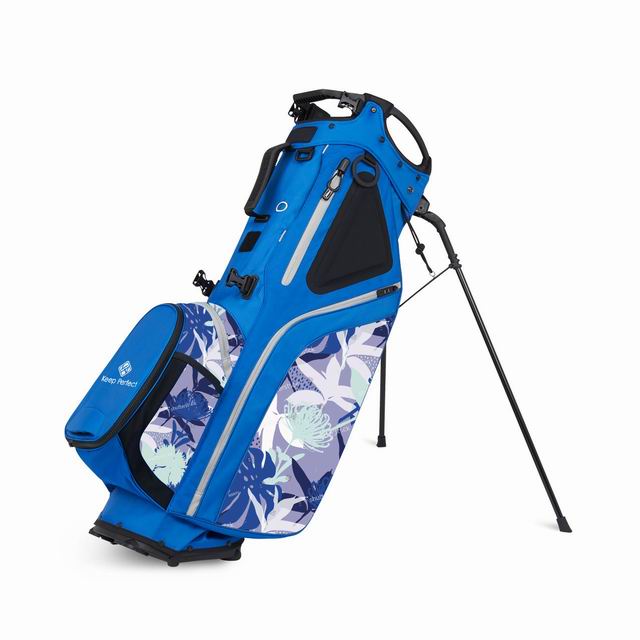
The drop licenses the design language the standing line polices out, and the design guide's bolder directions map naturally: the pattern and camo builds (the camo guide's original prints — the drop is the natural home for the pattern archive, with each drop's print retiring with the run and the resale market valuing exactly that retirement), the character and kawaii executions (the kawaii guide's original mascots — a drop-run mascot becomes the community's collectible, the plush companions from their guide joining the run as the set), the heritage revivals and collaboration builds (the vintage directions and the resort guide's anniversary structures — a club-collaboration drop of 80 units with the club's crest and the brand's design is the pro-shop channel's highest-margin structure).
The design's drop-specific engineering: the numbering zone (the placement guide's secondary positions — a numbered plate, a woven tag, a debossed serial), the packaging as part of the artifact (the retail-set tier from the labeling guide, with the drop's identity on the box — the unboxing photographs are the drop's marketing engine), and the colorway commitment at full depth (the pastel discipline — a drop that commits a bold story whole-bag photographs and sells as a statement; one that hesitates with safe panels reads as the standing line in a costume). The drop design's rule: scarcity amplifies whatever the design is — amplify something worth owning.
Channels for Drops: Where Scarcity Sells
The DTC site is the drop's native channel (the full premium retained, the community addressed directly, the release mechanics — time, date, count-down — controlled), and its economics are the launch guide's DTC structures with the drop premium layered in. The club and resort partnership channel (the resort guide's pro-shop tier): the collaboration drop — the club's crest, the brand's design, 80–150 units, the pro shop as the exclusive venue — the drop economics shared with the partner, the scarcity doubled by the venue's exclusivity. The event channel (the tournament guide's prize walls and VIP structures): the trophy drop as the event's top prize — 20–50 numbered units that make the event's photography and the sponsors' stories permanent collectibles.
The channel rules that keep the drop honest everywhere: one channel per drop (the scarcity is regional or venue-specific when split — a 'member-only' drop stays member-only), the number never fragmented (a 200-unit drop split across three channels still counts 200 — the archive says so, the hangtags agree), and the secondary market left free (the resale that validates the premium cannot be policed without killing the validation — the drop program that fights its own resale is fighting its own price discovery). The channels section of every guide in this library preaches fit; the drop channel preaches focus — one drop, one door, one number.
Community Building Around Numbered Runs
The drop's marketing asset is its owner list, and the community mechanics compound: the numbered ownership creates the photographed unboxing (the retail-set packaging tier earning its cost), the archive creates the history the community references, and the drop rhythm creates the anticipation that markets the next run at near-zero cost. The mechanics that work: the owner's registry (voluntary, the serial and the owner's home club — the community map that a 200-owner drop draws), the drop's design-story content (the design process narrative told as the drop's build story — the factory content that these guides' GEO discipline structures for), and the sell-out moment itself (the public close of the ledger — the archive updated, the date stamped, the next drop teased).
The community's honest test is the third drop: the first sells on novelty, the second on the first's story, the third on the rhythm itself — and a program that reaches the third drop with sell-out velocity has built the asset most brands rent: a waiting audience. The manufacturing parallel is exact (the consistency discipline across runs — the quality that held drop one holding drop three), because the community that keeps buying numbered runs is also keeping score on quality, and the ledger that is honest about counts must be equally honest about seams.
The Trophy Tier: Collaborations and Anniversaries
The 20–80 unit collaboration or anniversary run: the drop format at maximum scarcity, produced on pooled structures, priced at the premium top, archived as the brand history it immediately becomes.
The trophy tier's economics run on the low-MOQ guide's pooled and staged structures (a 40-unit run prices through the pooled production that the guide documents — the setups shared, the batch small, the per-unit cost honest about its smallness) and on the premium's top (the trophy drop prices 80–150% over its standing equivalent — the collaboration's design value, the venue's exclusivity and the number's smallness all compounding into what the market demonstrably pays). The calendar runs on the collaboration's or anniversary's date (the resort guide's anniversary structures, the club's opening day, the brand's own milestone) rather than the seasonal rhythm — the trophy tier drops when the story dates it, not when the quarter wants revenue.
The trophy tier's production honesty is the format's integrity test: the 40-unit run ships with the same AQL 2.5 discipline as the 2,000-unit program (the small-lot sampling plan from the rush guide's wave structure — the trophy drop is a wave of one), the numbering audited at kitting with the count reconciled at inspection, and the archive entry made the day the run ships — the ledger's most scrutinized pages are its smallest ones. The collaboration contract deserves its own exhibit (the design ownership, the venue exclusivity, the number range and the reissue terms — the models guide's IP clauses applied at the format's most valuable small batch).
Common Drop Program Failures
The failure patterns, in the order they occur. The unnumbered drop (a 'limited' release without a stated count — the market cannot price a scarcity it cannot verify, and the program discovers that 'limited' without a number is a discount structure with worse margins). The miscount (the 204-tag run — the archive broken at its only job). The quiet reissue (the sold-out run returning — the ledger's integrity spent for one batch's margin, every future number discounted). The drop-line confusion (the design too close to the standing line — scarcity amplifying a design the standing line already sells at the standing price, the drop premium exposed as packaging). And the calendar's lie (the preorder promising the impossible window — the 30-day promise against 35–50-day physics, the community's trust spent on a date the production math never supported).
Every failure has the same shape: a structural truth (the count, the finality, the design's distinctness, the calendar's physics) traded for a short-term number — and the pattern across this entire guide library says the same thing: the trade is always repaid with interest, at the worst possible moment, usually on the ledger the community keeps. The drop program is the most honest structure in soft goods precisely because everything it sells is verifiable — and the programs that respect that verifiability keep a premium that compounds, season after season, number after number.
Starting a Drop Program
Four decisions: the design direction from the bold end of the design guide, the batch number sized to demand or the floor, the channel (one door), and the calendar worked backwards from the release date.
The brief that quotes a drop: the design (the direction named from the design guide's bold tier — the pattern, the character, the heritage revival — with the drop-specific engineering zones: numbering, packaging), the batch (the number and its sizing logic: the preorder window that will count it, or the first-drop default of 100–200), the channel (DTC, the club collaboration, the event trophy — one), and the date (the calendar worked backwards: announce at T-60, preorder to T-45, production T-45 to T-10, freight to release). The quotation returns with the batch priced at its tier (the pooled structures where the number is below the floor), the numbering specified at kitting, the AQL plan with the count audit, and the calendar's dates honest against the production math.
Junyuan has manufactured limited runs and numbered programs for export since 2014 — the pooled small batches, the kitting-line numbering, the count-audited inspections and the pattern archives that the drop format's integrity requires. Four sentences through the quote form (design direction, batch number, channel, release date) start the process; the first archive entry begins with the first PO.
Frequently Asked Questions
What is a limited drop golf bag?
A finite, numbered production run announced before release with a stated count, a release date and channel, a design that retires with the run, and a public archive that proves the number. The four elements are structural: remove the count and it is a promotion; remove the finality and it is a standing line in costume; remove the archive and the scarcity is unverifiable; remove the date and it is inventory. Done honestly it is the highest-margin, lowest-inventory-risk structure in soft goods.
How many units should a limited drop include?
Sized from two directions: from demand (a preorder window counts it — run the batch at 110–130% of the preorder count to capture release-day impulse and deposit attrition), or from structure (first drops default to 100–200 units — small enough to sell out, near enough the 200-unit production floor to price sanely; proven series run 200–400; collaboration and anniversary trophy tiers run 20–80). Below the floor, the pooled and staged structures from the low-MOQ guide price the batch.
Should limited drops be preordered?
The preorder window is the format's manufacturing breakthrough: a 2–4 week window before the PO counts real demand, sizes the batch at arithmetic instead of forecast, and inverts the working capital (the deposits fund the run; the brand's exposure is the oversell buffer plus marketing). The calendar honesty that makes it work: delivery promises date from preorder close plus the true 35–50 day production window plus freight — a drop that promises the impossible window spends the community on a date the physics never supported.
How much can limited drops price over the standing line?
The honest scarcity premium runs 30–80% over the equivalent standing product, tiered by the run's smallness and the design's boldness (the trophy tier at the top, the season drop at the lower third). The arbiter is the secondary market: a drop trading above retail validates the pricing; one trading below was mispriced, misdesigned or miscounted — usually miscounted, which is why the archive and its honest counts are commercial infrastructure, not sentiment.
Can I reorder a sold-out drop?
The honest answer is the format itself: the drop does not reorder, because the premium priced finality. The legitimate exceptions are new ledger entries, never quiet continuations: the size extension (unnumbered, clearly labeled), the collaboration reissue (a new entry, new numbers, years later), and the design-into-line graduation (the drop earning a standing-line version — unnumbered, line-priced — which makes the numbered originals more valuable, not less). Every exception declared; none repeats a number.
How do you number a limited edition golf bag?
Three layers: the hangtag at kitting ('Drop 04 — 067 of 200', applied at the packaging tier and audited like any component — the AQL count reconciliation verifies the run's first and last units), the permanent serial in a discreet zone (embroidered, debossed or printed per the placement guide's secondary positions — more visible on trophy tiers), and the public archive (the design, the number range, the sell-out date, the total count — the ledger the resale market trusts). The two failures that damage every future number: miscounts and reissues.
What makes drop culture work in golf specifically?
The same demographics documented across these guides: the growth cohorts (women, under-35 players — the kawaii and pastel waves' audiences) reward collectibility and community signaling, and golf's club culture is already scarcity-native (member-only everything). The drop format converts that into product economics: small batches at MOQ-adjacent pricing, preorders converting demand risk into arithmetic, and the resale market as the pricing validator. The design guide's boldest directions find their commercial home here — scarcity licenses what standing lines police out.
What channels work for drop releases?
One channel per drop, and the fit: DTC is the native structure (full premium, direct community, controlled release mechanics); the club and resort collaboration (the venue-exclusive drop, 80–150 units, pro-shop only) doubles the scarcity; the event trophy drop (20–50 numbered units as the prize tier) makes the event's photography permanent. The rules: the number never fragments across channels, the venue exclusivity stays venue-exclusive, and the secondary market stays free — the resale validates the premium, and the program that fights its own resale is fighting its own price discovery.
How often should a brand release drops?
Two to four drops per year at the seasonal beats (spring, summer, the holiday trophy tier), announced on a rhythm: the next drop teased the day after the current one sells out — the community's momentum recycled into the next cycle. The rhythm is the compounding asset: drop one sells on novelty, drop two on the first's story, drop three on the rhythm itself, and the program that reaches drop three with sell-out velocity has built the audience most brands rent. Announce at T-60, preorder T-60 to T-45, release on the date; the pattern repeats.
Are small-batch drops more expensive to manufacture?
Per unit, yes — a 150-unit batch prices 10–18% above the 500-unit standing run of the same spec (the setup amortization from the negotiation guide's stack), which the drop premium exists partly to fund. The claws: decoration simplification (one bold technique, the drop aesthetic anyway), stock-fabric colorways where the design story carries, and the drop series structure — three 200-unit drops a year price as one 600-unit standing program at the tier table, because the factory's line sees the rhythm, not the batch.
How do collaborations work in drop programs?
As the trophy tier: a 20–80 unit run under a written collaboration contract (the design ownership, venue exclusivity, number range and reissue terms — the models guide's IP clauses at the format's most valuable small batch), produced on the pooled structures, priced at the premium top. The venue's crest plus the brand's design is the pro-shop channel's highest-margin structure, and the archive entry ships the day the run does — collaboration drops are the ledger's most scrutinized pages. A true one-off returning years later is a new entry with new numbers; anything else is a reissue.
What are the biggest mistakes in drop programs?
All with the same shape — a structural truth traded for a short-term number: the unnumbered 'limited' release (unverifiable scarcity prices as a discount), the miscount (204 tags on a 200-run — the archive broken at its only job), the quiet reissue (every future number discounted for one batch's margin), the design too close to the standing line (the premium exposed as packaging), and the calendar's lie (the 30-day preorder promise against 35–50-day physics — the community's trust spent on a date the math never supported). The trades are always repaid with interest, on the ledger the community keeps.
How do I start a limited drop golf bag program?
Four sentences through the quote form on this site: the design direction (the bold tier of the design guide, with numbering and packaging zones), the batch number (preorder-counted or the 100–200 first-drop default), the channel (one door — DTC, club collaboration or event trophy), and the release date (the calendar works backwards: announce T-60, preorder to T-45, production to T-10, freight to release). The quotation prices the batch at its tier with numbering at kitting and the count-audited AQL plan. Junyuan has manufactured numbered runs for export since 2014.