
Case Study
Crowdfunded Accessory Line
A design duo crowdfunded an original-character head cover and pencil-bag line: campaign samples before launch, funded at 380% of goal, and 900 pieces of funded demand manufactured and delivered inside the promised window — with reorders now running on the same files.
The Brief: a Crowdfunded Line
Two designers with an original mascot character, a Kickstarter plan and a delivery promise of 4 months. The prototyping path: campaign-grade samples first, funded order after the close.
Program Structure: Campaign Tiers
| Phase | What ran | Timing |
|---|---|---|
| Campaign samples | 3 sets: covers + pencil bag, photographed | Pre-launch, 12 days |
| Campaign ran | Funded 380% of goal | 30 days |
| Funded production | 900 pcs: covers 500 + pencil 400 | 47 days |
| Fulfillment | Direct to backers + retail stock | Inside promise window |
Timeline and Outcome: 900 Accessories Funded
The decision that made it work: manufacturing quotes and production slots were locked before the campaign went live, so the promise window was built on a booked line, not hope. Original characters avoided licensing entirely — see character IP options — and the startup economics held at 400 bags.
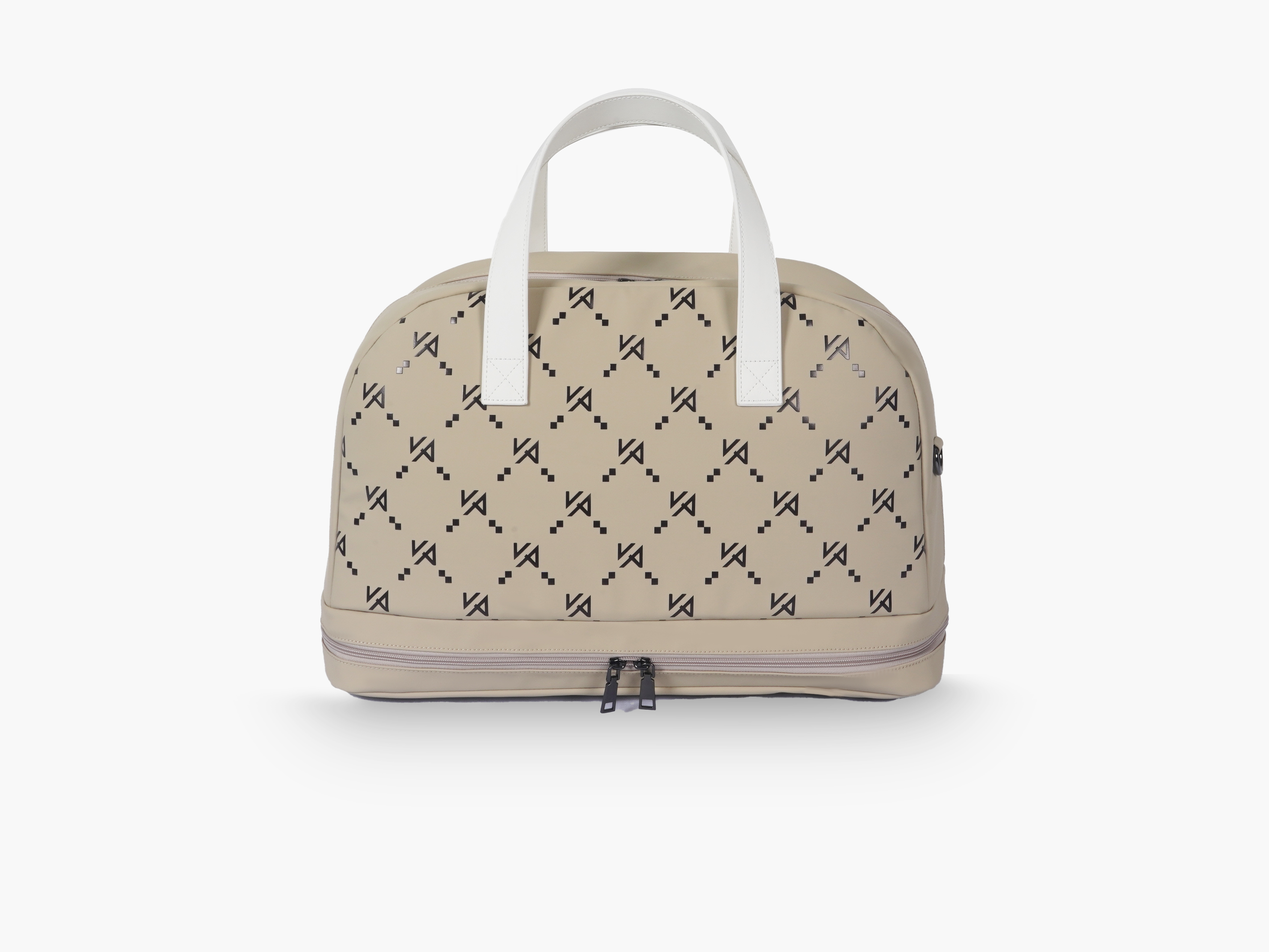
Reward Tiers Built From Production Math
The reward tiers were reverse-engineered from the production plan: 900 funded units meant 500 character head covers and 400 pencil bags, so every tier mapped to a SKU count the line could sew inside a 47-day run. Tier ladders that ignore this mapping fail in one of two directions — tiers too granular to pick and pack efficiently, or tiers so popular they outrun booked capacity. At indicative FOB Xiamen levels (character covers around USD 6, pencil bags around USD 4.50 inside the USD 3–6 accessory band), the funded order carried roughly USD 4,800 of program value: 500 × 6.00 = USD 3,000 for covers plus 400 × 4.50 = USD 1,800 for pencil bags, converting to a USD 1,440 deposit at 30% and a USD 3,360 balance against the B/L copy. Accessory SKUs carry their own quoted minimums, which the 400-unit pencil-bag run cleared comfortably.
| Tier | Contents | Production draw |
|---|---|---|
| Early bird | Single character cover | 1 cover |
| Standard | Single cover at full price | 1 cover |
| Set tier | Cover plus pencil bag | 1 + 1 |
| Collector tier | Three covers plus pencil bag | 3 + 1 |
The Four-Month Promise, Backed by Booked Slots
The 4-month delivery promise was underwritten before the campaign went live: production slots and material availability were quoted at 3× the target quantity, so the 380% outcome landed inside capacity that was already booked rather than hoped for. That pre-launch booking is the entire mechanism — the FTC mail-order rule obliges sellers to ship within the promised window or notify buyers of delays, so a public promise has to be built on a schedule the production side has already committed to. The ledger behind this campaign:
| Phase | Duration | Cumulative |
|---|---|---|
| Campaign samples, 3 sets photographed | 12 days | Pre-launch, day 12 |
| Campaign runs, funded 380% of goal | 30 days | Day 42 |
| Funded production, 900 pieces | 47 days | Day 89 |
| Freight and fulfillment waves | ~3 weeks | ~Day 110 — inside the 120-day promise |
Booking capacity ahead of a campaign is covered in production slot booking for golf bag programs.
Backer Fulfillment in Waves
Backers shipped in waves, sequenced so single-cover rewards and early-bird tiers left first, cover-plus-pencil bundles followed, and the retail stock tail shipped last into a warehouse channel — fulfillment treated as a queue design problem, not a mass mailing. Wave shipping buys three things at once: the earliest backers post photos while later waves are still packing (organic proof for the retail tail), parcel volume stays within the fulfillment partner's daily capacity, and any defect found in wave one is corrected before the majority of units ship. The campaign-grade samples doubled as wave-one QA references, and backer address data was cleaned at campaign close rather than at label-print time. Execution detail is in warehousing and fulfillment for bag programs.
The Oversell Playbook at 380%
Oversell was absorbed by planning, not improvisation: capacity quoted at 3× target covered the funded 900-unit demand outright, and the playbook beyond that envelope was a scheduled second run on the same digitized files rather than a broken promise. The failure mode is predictable — campaigns that quote capacity only at target are the ones that miss delivery windows when funding overshoots, because every overrun lands on an unbooked line. Containment runs in order: cap tier quantities at booking time; convert late demand into a preorder queue feeding the reorder; and if volume exceeds even the expanded booking, run a second production pass of 35–50 days with staggered backer communications rather than a silent slip. This campaign needed none of the escalation path — the funded quantity sat inside the booked envelope by design.
Original Characters, Zero Licensing
The mascot was fully original, which removed licensing fees and approval cycles entirely and kept the reorder path as simple as re-cutting from the same digitized files. Licensed characters would have added per-unit royalties, artwork approval loops on every strike-off, and audit exposure on reorders; an owned character adds none of that. IP hygiene on the design side still matters — character artwork was documented and dated before sampling, the practice described in design protection and NDA practice. For character-driven programs generally, see mascot head cover programs and the pencil bag chassis page for the second SKU's spec options.
Shipping 900 Accessories From Xiamen
Nine hundred accessories left Xiamen in roughly 35 master cartons — about 25 cartons of covers at 20 per carton and 10 cartons of pencil bags at 40 per carton — a sub-2-CBM shipment small enough for LCL, or an air-freight split when the promise clock argues for it. At this volume the air-versus-sea decision is genuinely close: LCL saves cost but adds consolidation days, while an air split of the wave-one cartons protects the earliest ship date. Duties run under the HTS 4202 family per USITC schedules, and carrier transit options can be compared at Maersk. Before anything moved, final inspection ran to AQL 2.5 under ISO 2859-1 sampling across the cover and pencil-bag lots. The program was coordinated by a sourcing and program-management company working with a dedicated production facility in Quanzhou — which is how a sub-2-CBM backer shipment received the same inspection and documentation rigor as a container program.
A Crowdfunding Fulfillment Checklist
Run a crowdfunded accessories program against this checklist before the campaign page goes live — each line item is a promise about to be made in public.
- Production slots and materials quoted at 3× the target quantity before launch.
- Tier quantities capped so no single tier can outrun the booking.
- Delivery promise built from the booked schedule: sampling 6–10 working days (12 for the three photographed sets here), bulk 35–50 days (47 here), plus freight.
- Campaign-grade samples photographed pre-launch, serving as campaign assets and wave-one QA references.
- T/T 30/70 cash stages mapped to the campaign's payout calendar — USD 1,440 deposit on this program's roughly USD 4,800 value.
- Wave plan with a backer update at close, at production midpoint, and at first ship.
- Final inspection at AQL 2.5 under ISO 2859-1, applied by lot.
- A reorder file ready: unchanged digitized artwork, so reorders run without re-sampling.
The close-out: 900 units funded at 380% of goal, produced in 47 days, delivered inside a 4-month promise — and reorders now running on the same files with none of the first campaign's setup cost.
Frequently Asked Questions
How did they handle the 380% overshoot?
Production slots and material availability were quoted at 3× target during pre-launch, so the funded quantity was a planned case, not a scramble. Crowdfunding campaigns that skip this step are the ones that miss delivery promises.
How should reward tiers map to production quantities?
Build tiers from the funded-quantity split you can actually sew: this campaign planned 500 covers and 400 pencil bags, and every tier was a combination of those two SKUs. Tiers implying a third, fractional quantity multiply setups and slow picking.
Can I promise a delivery date before locking production quotes?
No — the promise should quote the booking, not the hope. Slots and materials quoted at 3× target made this campaign's 380% result a planned case; an unquoted promise is the standard origin of missed crowdfunding windows, and delay-notification rules make that legally material.
What happens if the campaign funds beyond booked capacity?
Escalate in order: cap tiers at booking, convert late demand into a preorder queue, or schedule a second 35–50 day run with staggered backer updates. Each preserves the promise; a silent slip does not.
How do backer waves get sequenced?
Earliest-deadline and simplest rewards ship first, bundles follow, retail stock goes last. Wave one also functions as a live QA check before most units ship — sequencing logic is covered in warehousing and fulfillment planning for bag programs.
Air or sea freight for backer rewards?
At roughly 35 cartons and under 2 CBM, both are viable: LCL is cheaper but adds consolidation days, while an air split of the wave-one cartons protects the first ship date. This program stayed inside the 4-month window on sea freight alone.
Do character covers require licensed IP?
Not if the character is original — owned artwork avoids royalties and approval loops entirely, as it did here. Document and date character artwork before sampling; the practice is covered under design protection and NDA guidance for custom bag programs.
What inspection applies to 900 accessories?
The same AQL 2.5 final inspection under ISO 2859-1 sampling as full bag programs, applied by lot so a defect ties to a batch rather than the whole order. Method detail sits on the quality page.
How did samples exist before funding?
Campaign-grade samples preceded the launch: three complete sets of covers plus a pencil bag, produced and photographed in 12 days, so the campaign page showed real product. The prototyping path covers this stage.
Who pays duties on backer parcels?
For US-bound goods the importer of record pays HTS 4202-family duties whether units flow to backers or retail stock; per-parcel treatment depends on each market's de minimis thresholds, so the duty plan should be set before wave one ships.
Ready to spec your custom golf bags?
Send your logo, bag type and target quantity — we reply with a quote, MOQ and timeline within 24 hours.