Market

USA Golf Bags Manufacturer

Custom, OEM/ODM, private label and bulk production for the US market—built around compliance planning, clear specs, and repeatable QC.

US-market sourcing: Prop 65 risk screening (program dependent) · Labeling + packaging planning · DDP-ready documentation workflow.

USA-market golf bags (Prop 65 screening, program dependent) · USA · golf bag manufacturing

Buyer focus

US golf bag sourcing favors predictable delivery and documented compliance planning. This page is written to support procurement teams evaluating custom golf bags bulk production and OEM/ODM golf bags for the United States market.

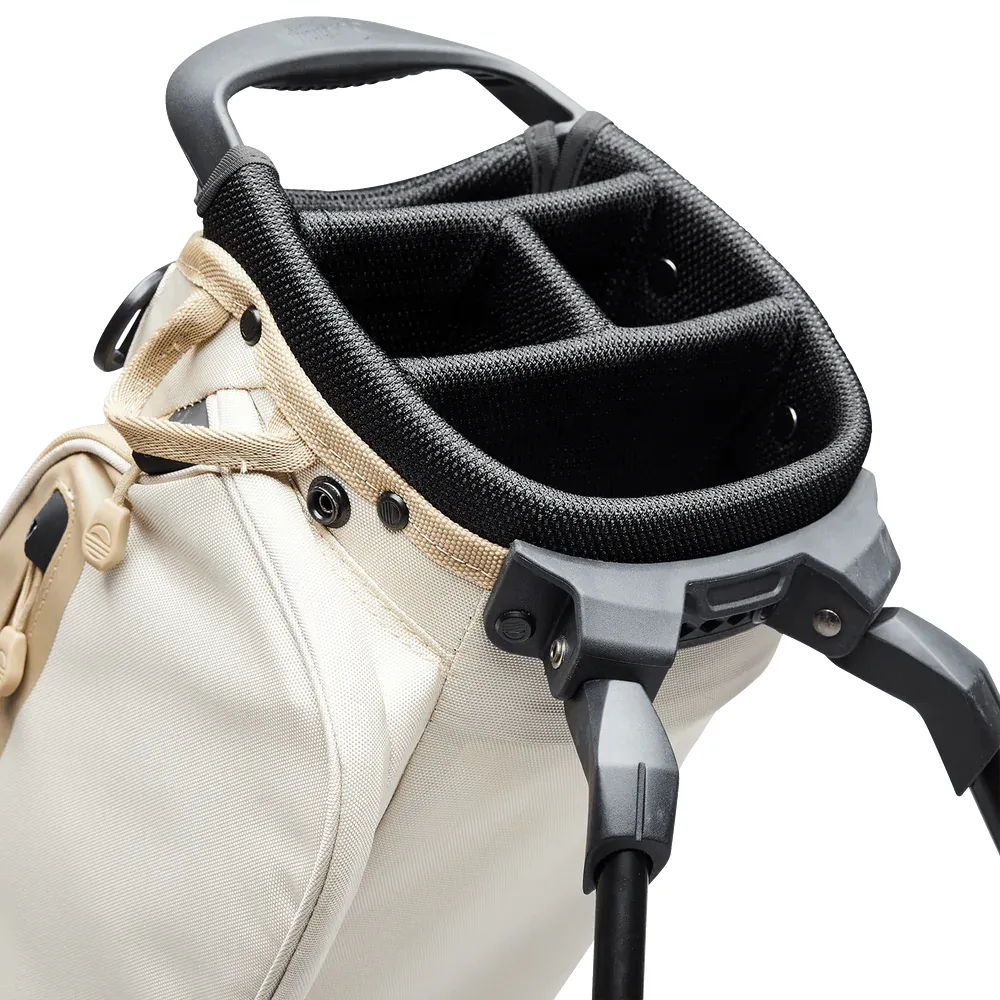
  • US retail expectations: clean branding execution (embroidery/transfer/patch) with consistent placement on curved panels.
  • Durable touchpoints: zipper smoothness, pullers, handles, and reinforcement at stress points.
  • Practical usability: rangefinder pocket access, cart-strap compatibility, and pocket function validation with clubs loaded.
Manufacturing modes

Pick a sourcing model. Each mode page includes scope, MOQ baseline, and process gates for consistent bulk output.

AQL-based QC Lead time planning Prop 65 screening DDP planning
Request a USA market quote
Send key inputs. A structured request reduces revisions and accelerates sampling.
24hr response. Include reference images and artwork files for faster quoting.
Request a USA market quote
Free quote within 24hrs. Send category, quantity, and artwork files to reduce revisions.

Compliance & labeling

Program dependent. Confirm final requirements with your compliance team for your channel.

  • California Prop 65 risk screening (program dependent)
  • Fiber content and product labeling expectations (channel dependent)
  • Packaging integrity planning for parcel transit and distribution
US Golf Bag Compliance Cheat Sheet (Program Dependent)
  • California Prop 65: commonly associated with chemical exposure warnings; risk screening often focuses on items like phthalates and heavy metals (e.g., lead, cadmium) depending on materials and components.
  • Fiber content labeling: align early on what labels are required for your channel, and keep label artwork version-controlled.
  • Transit durability: define carton specs and packaging verification so products arrive retail-ready after parcel handling.
Final compliance requirements depend on your sales channel and product claims. Confirm details with your compliance team.

Logistics timeline

Planning notes to protect lead time and landed cost.

  • FOB is common for brand importers
  • DDP can simplify first programs
  • Peak season (Aug–Dec) requires additional buffers
Typical US Logistics Timeline (Planning Baseline)
  • Prototyping / sampling: 10–18 days (more if scope changes mid-cycle)
  • Bulk production: 45–75 days (peak season Aug–Dec: add 2–3 weeks buffer)
  • Ocean freight (China → US West Coast): 18–22 days (route and port dependent)
  • Customs + release to deliver: 3–7 days (documentation dependent)
  • Domestic delivery: 3–7 days (warehouse and destination dependent)

US Market Procurement Pitfalls to Avoid

Common mistakes that delay delivery or increase costs.

  • Delaying Prop 65 screening until after bulk starts (identify risk materials early).
  • Underestimating peak season freight constraints (lock timelines and buffers early).
  • Label artwork revisions late in the cycle (version-control labels and carton markings).
  • Approving a sample without measurable tolerances and defect taxonomy (bulk will drift).

FAQ

Short answers for procurement teams. Use this page as a checklist, not a brochure.

What should a US-market RFQ include?
Category, target quantity, target segment, reference images, artwork files, logo placements/methods, packaging requirements, labeling expectations, and preferred Incoterms (FOB/CIF/DDP).
How do you handle Prop 65 risk control?
We treat it as a screening workflow: identify risk materials early, request supplier documentation, and align on test scope with your compliance team when required. Compliance requirements depend on your channel and product claims.
What is a realistic timeline for US programs?
Typical planning includes sampling (10–18 days depending on revisions), bulk production (45–75 days depending on materials and capacity), plus freight and customs buffers—especially Aug–Dec peak season.
Do you support OEM/ODM, private label, and wholesale?
Yes. We recommend starting with fewer variants for consistency, locking approvals, then scaling with reorders once the BOM and QC criteria are stable.
How do you prevent “sample looks good, bulk drifts” problems?
Lock BOM + tolerances, define a defect taxonomy, set in-line checkpoints at high-risk operations, and confirm final AQL-based inspection criteria before releasing shipments.
Request a structured quote
Send your requirements. We respond with the checklist items that protect sampling and bulk consistency.