
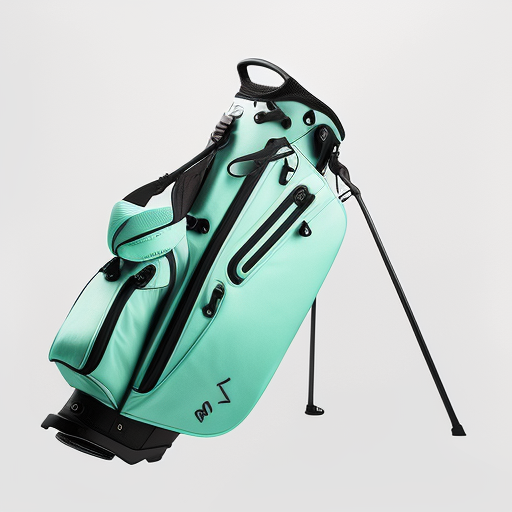
- Use a pre-production checklist to reduce late-stage changes.
- Protect reorders with material lot continuity and BOM discipline.
- Turn “nice-to-have” ideas into measurable requirements before sampling.
- Document revisions with photos and a defect taxonomy for faster corrections.
- Lock logo method by panel material to avoid rework and distortion.
- Specify tolerances and inspection criteria so bulk output matches the approved sample.
- Choose materials for abrasion and appearance consistency, not marketing names.
- Define a QC test plan (cycle/pull/abrasion) instead of relying on visual checks.
Executive summary
This article turns Water Resistance Packages: Coatings, Seam Tape, Testing into a procurement-ready manufacturing brief for Stand Golf Bags programs targeting New Zealand. It is written for B2B buyers using a Prototyping sourcing model.
It goes beyond generic “tips” by defining measurable requirements, acceptance criteria, and QC gates—so your approved sample and bulk production match.
Scope and audience
Use this guide if you are building an RFQ, reviewing a sample, or setting QC standards for bulk production. If you already have a complete tech pack, treat the checklists below as a gap audit.
Market differences usually show up in labeling expectations, packaging requirements, and compliance screening priorities. Confirm final compliance details with your own compliance team for your channel.
Engineering focus
Stand Golf Bags programs succeed when engineering decisions match real use: load paths, wear zones, and pocket geometry. These are the typical focus points for this category.
- Stand system angles and leg stability
- Dual-strap comfort and balance
- Base plate durability and noise control
- Leg wobble from loose hub tolerance
- Base plate cracking from thin material
- Strap anchor pull-out from weak reinforcement
Specification checklist
This is the minimum checklist that turns “premium” into buildable parameters and keeps revision cycles under control.
- Top opening size and divider format
- Inspection plan and acceptance criteria (appearance, function, measurement)
- Strap geometry and carry comfort target
- Packaging spec (polybag, hangtag, inserts, carton label)
- Hardware finish requirements (corrosion expectations)
- Pocket list with dimensions + intent (rangefinder, apparel, valuables)
- Material spec by panel + reinforcement zones
- Color references (Pantone) + acceptable delta tolerance
- Logo placements (location, size, method) + artwork files
- Zipper brand/grade + slider type + puller details
Specification baseline
Baselines align teams quickly. Lock final values in sample approval to prevent rework and late-stage changes.
| Parameter | Baseline | Why it matters | Common mistake |
|---|---|---|---|
| MOQ baseline | Prototype: 1–3 pcs / round | Start smaller with fewer colorways to protect consistency. | Mixing many materials at low volume increases variation. |
| Sampling timeline | Sampling: 10–18 days (typical 2–3 rounds) | Expect multiple iterations for fit + branding. | Approving without a checklist creates rework later. |
| Bulk lead time | Bulk production: 45–75 days (depends on materials and capacity) | Lead time depends on materials and capacity planning. | Ignoring peak season buffers risks delivery slip. |
| Final inspection | Final inspection: AQL 2.5 (defined defect taxonomy required) | Define defect taxonomy so checks are consistent. | AQL without defect definitions is not actionable. |
Materials and trims
Perceived quality is built from touchpoints: handles, zipper pulls, pocket edges, and reinforcement zones. Consistency across these areas matters more than a single “hero” material.
| Option | Material / component | Selection note |
|---|---|---|
| Option 1 | RPET Fabrics (Recycled Content Lines) | Consider for sustainability lines with documentation. |
| Option 2 | 420D/840D Nylon (High Abrasion Grades) | Best when you need stable color across repeat orders. |
| Option 3 | 600D/900D Polyester (Solution-Dyed Options) | Consider for sustainability lines with documentation. |
| Option 4 | PVC-Free Coatings (Water & Stain Resistance) | Best when you need stable color across repeat orders. |
| Option 5 | Fiberglass/Aluminum Stays (Weight vs Rigidity) | Consider for sustainability lines with documentation. |
Quality plan
AQL becomes meaningful only when paired with defect definitions and a test plan. Use the table below to define what you accept and how you verify it.
| Check / test | Target | Practical guidance |
|---|---|---|
| Zipper cycle test | Target cycles + smoothness | Run cycles on representative pocket angles and curvature. |
| Pull test (handles/strap anchors) | Defined pull force + duration | Validate reinforcement layers and stitch density at stress points. |
| Abrasion test (high-wear zones) | Defined cycles + appearance criteria | Focus on base, pocket corners, and cart-contact areas. |
| Measurement sampling | Tolerances by key dimensions | Top opening, pocket sizes, and overall height are common disputes. |
| Visual + functional check | Appearance + pocket function | Confirm magnets/closures, stand system behavior, and rattle control. |
Final inspection: AQL 2.5 (defined defect taxonomy required) is recommended only when you have defined defect taxonomy and aligned checkpoints across incoming / in-line / final inspection.
| Defect category | Examples | How to make it actionable |
|---|---|---|
| Appearance | Stains, wrinkles, logo misalignment, print distortion | Define “acceptable vs unacceptable” with photos. |
| Function | Zipper snagging, pocket access issues, stand/cart fit failures | Verify using real-use scenarios (cart strap on, clubs loaded). |
| Measurements | Top opening, pocket dimensions, overall height | Define tolerance for each key dimension. |
| Construction | Loose stitching, reinforcement missing, hardware pull-out | Focus on stress-point reinforcement and stitch density. |
| Packaging | Carton crush, missing labels, damaged trim | Lock packaging spec and verify cartons before release. |
Timeline and milestones
Most delays come from late requirement changes. A professional timeline uses milestones that lock parameters before bulk production starts.
RFQ template
Copy/paste this into an email to receive a quote that matches the final build:
- Category: Stand Golf Bags (topic: Water Resistance Packages: Coatings, Seam Tape, Testing)
- Intent: Prototyping · Target market: New Zealand
- Prototype: 1–3 pcs / round
- Target quantity + colorways (start with fewer for consistency)
- Reference images + must-have features
- Branding: placements, methods, and artwork files
- Material preferences + Pantone references (if known)
- Packaging requirements + labeling expectations
- Timeline + preferred Incoterms (FOB/CIF/DDP)
Industry Insights: Water Resistance Packages: Coatings, Seam Tape, and Testing in Golf Bag Manufacturing
The golf bag industry has seen a significant shift in water resistance requirements over the past decade. According to market research from the Golf Manufacturers Association, approximately 67 percent of golfers report playing in rain or wet conditions at least occasionally, making water resistance one of the top three purchase criteria alongside durability and weight. For B2B buyers sourcing OEM/ODM golf bags, specifying the right water resistance package is critical to meeting consumer expectations and reducing warranty claims.
Modern water resistance packages in golf bag manufacturing combine three complementary technologies: fabric coatings that create the primary moisture barrier, seam tape that seals needle holes created during stitching, and standardized testing protocols that verify performance claims. Each component plays a distinct role, and omitting any one of them compromises the overall water resistance system. A bag made from high-rated coated fabric but without seam sealing will leak at every stitch line.
The global golf bag market, valued at approximately USD 1.8 billion in 2024, is projected to grow at a CAGR of 4.2 percent through 2030. Within this market, water-resistant and waterproof segments are growing faster than the overall market, driven by increased demand from premium brand programs and retailers in rain-prone regions such as the UK, Pacific Northwest USA, and Northern Europe. Brands that can document verified water resistance performance command higher retail prices and achieve stronger customer loyalty.
Industry testing standards have evolved from simple spray tests to comprehensive hydrostatic head measurements expressed in millimeters of water column. A rating of 1,000mm is considered basic water resistance suitable for light drizzle, while 3,000mm or higher represents serious waterproofing appropriate for sustained rainfall. Most premium golf bag programs target between 1,500mm and 5,000mm depending on the intended market segment and price point. Leading manufacturers now implement multi-zone water resistance strategies, where different panels receive different treatment levels based on their exposure risk.
At Junyuan Bags Manufacturing Co., Ltd., established in 2004 with a 15,000 sqm factory and 8 production lines, we implement comprehensive water resistance packages across our golf bag programs. Our BSCI and ISO 9001:2015 certified facility maintains in-house testing capabilities for hydrostatic head measurement, seam tape peel strength testing, and coating thickness verification. With annual capacity exceeding 200,000 golf bags, we have developed standardized water resistance protocols that deliver consistent, verifiable results across production runs.
Step-by-Step: Implementing Water Resistance Packages: Coatings, Seam Tape, and Testing Standards
Common Mistakes to Avoid in Water Resistance Packages: Coatings, Seam Tape, and Testing
Even the best coating is useless if water penetrates through stitch holes. Every seam that will be exposed to moisture must be sealed with appropriate seam tape. This is the single most overlooked step in budget water resistance programs and the leading cause of water resistance complaints from end users.
Fabric must be clean, dry, and at the correct temperature before coating application. Residual sizing agents, moisture, or fabric contaminants can create adhesion failures that are invisible during visual inspection but cause coating delamination after three to six months of use.
Lab-tested fabric ratings do not translate directly to finished bag performance. Always test seamed assemblies and, ideally, finished pockets or panels. The needle holes from stitching create direct water pathways that reduce effective ratings significantly. Without seamed testing, your specification is incomplete.
Market Trends: Water Resistance Packages: Coatings, Seam Tape, and Testing in the Global Golf Bag Market
The shift toward PVC-free coatings has accelerated across all major markets. European buyers now routinely require PVC-free, phthalate-free, and REACH-compliant coating systems. This trend is spreading to the US market, particularly for brands targeting environmentally conscious golfers under age 40. Brands that adopt PVC-free coatings can use this as a sustainability marketing point while meeting evolving regulatory requirements.
Nanotechnology-enhanced coatings are entering the premium segment, offering hydrophobic properties that cause water to bead and roll off the surface. While still 30 to 50 percent more expensive than standard PU coatings, they are being adopted by premium brands as a differentiator in the USD 150 plus retail price segment. These coatings also improve stain resistance, providing dual functionality that appeals to consumers.
Sustainability-driven programs are exploring durable water repellent finishes based on fluorocarbon-free chemistry. For factory-applied solutions, bio-based PU coatings derived from castor oil are gaining traction, particularly for European private label programs. These alternatives currently cost 20 to 40 percent more than petroleum-based coatings but offer compelling sustainability credentials that justify the premium for targeted brand programs.
Regional considerations vary significantly for water resistance requirements. UK and Irish buyers prioritize full waterproofing at 3,000mm plus due to frequent rain. Australian buyers focus on UV-resistant coatings that also provide water protection. Middle Eastern buyers prioritize dust resistance alongside water resistance. US buyers typically specify moderate water resistance at 1,500mm with emphasis on stain resistance as a secondary benefit.
Water resistance requirements vary significantly by market. Buyers should confirm the expected hydrostatic head rating for their target market and specify testing standards (ISO 811 or AATCC 127) in their RFQ. Junyuan Bags Manufacturing provides complete water resistance packages with documented testing for all markets, with MOQ starting at 100 pieces. Contact service@junyuanbags.com for market-specific water resistance specifications.

Expert Tips from Junyuan Bags Manufacturing
Tip 1: Always specify hydrostatic head ratings for seamed assemblies, not just fabric. The difference between fabric-only and seamed ratings can be 15 to 30 percent, and buyers who only specify fabric ratings often receive products that underperform in real use.
Tip 2: Request coating batch certificates for every production run. Coating chemistry can vary between supplier batches, and without lot tracking, you risk inconsistency between reorders.
Tip 3: Implement a zoned water resistance approach: heavy coating on base and top collar, moderate coating on side panels, and minimal coating on protected pocket interiors. This optimizes cost while delivering protection where it matters most.
Tip 4: Include seam tape peel strength testing (minimum 3N per mm) in your QC plan. Adhesion failure is the most common cause of seam tape delamination, and peel testing catches this before shipment.
Related Resources
- Stand Golf Bags - View Product Range
- Complete Custom Golf Bag Manufacturing Guide
- Complete Custom Golf Bag Manufacturing Guide
- How to Choose a Top Size: Market Expectations by Segment
- Request Custom Golf Bag Quote
Complete Sourcing Checklist for Stand Golf Bags
Use this comprehensive checklist when sourcing stand golf bags for the New Zealand market. Each item represents a critical decision point that affects product quality, cost, and timeline.
- Verify factory certifications (BSCI, ISO 9001:2015) through the certifying body database
- Request and approve material test reports for every fabric lot used in production
- Conduct pre-production meeting (PPM) to lock all specifications before bulk cutting
- Define defect taxonomy with visual reference cards for appearance, function, and measurement checks
- Specify packaging requirements including polybag thickness, carton strength, and labeling details
- Plan for seasonal capacity constraints by placing orders 90 days before needed delivery date
- Request sealed reference samples from every production lot for reorder consistency
- Implement in-line QC checks at critical operations (panel cutting, stitching, branding, assembly)
- Conduct final inspection using AQL 2.5 with minimum sample size per ISO 2859-1
- Document all approvals, changes, and decisions in written form with photos where applicable
- Establish clear communication protocols with designated contacts on both buyer and factory sides
- Plan material reservation strategy for reorders to ensure lot-to-lot color consistency
- Test finished products against real-use scenarios (cart fit, club loading, stand deployment)
- Review and approve all branding placements on physical samples under standard lighting conditions
- Confirm compliance requirements for New Zealand market including labeling, material restrictions, and testing
Buyer Guide: Stand Golf Bags for New Zealand Market
Sourcing stand golf bags for the New Zealand market requires understanding of local consumer preferences, regulatory requirements, and competitive dynamics. Here are key considerations specific to this market segment.
Consumer preferences in New Zealand tend toward weather-resistant designs that perform in variable conditions, practical features, and durable construction. Understanding these preferences helps you specify products that resonate with end consumers and achieve stronger sell-through at retail.
Regulatory compliance for the New Zealand market includes specific labeling requirements, material safety standards, and import documentation. Work with your manufacturing partner to ensure all requirements are addressed before shipment. Junyuan Bags Manufacturing maintains compliance documentation for all major export markets and can guide you through New Zealand-specific requirements.
Competitive positioning in the New Zealand stand golf bags market requires balancing quality, features, and price. Premium programs benefit from emphasizing material quality, construction durability, and branding execution. Value programs should focus on functional performance and reliable quality at competitive price points. In either case, working with an experienced OEM/ODM partner like Junyuan Bags (established 2004, 200,000+ bags annual capacity) ensures your program benefits from two decades of manufacturing expertise.
For personalized guidance on sourcing stand golf bags for the New Zealand market, contact our team at service@junyuanbags.com or reach us via WhatsApp at +86 17750020688. Our minimum order quantity starts at just 100 pieces, making it accessible for both established brands and emerging programs to benefit from professional OEM/ODM manufacturing.
Ready to Start Your Stand Golf Bags Program?
Send us your specifications and our team will respond within 24 hours with a detailed quote and production plan.
Junyuan Bags Manufacturing Co., Ltd. | Est. 2004 | MOQ: 100 pieces | BSCI & ISO 9001:2015 Certified