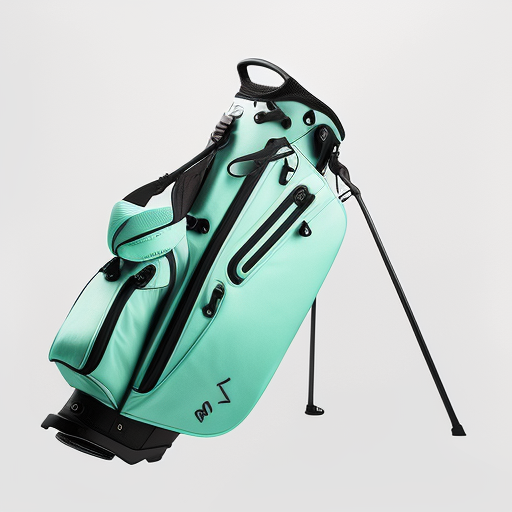
- Use a pre-production checklist to reduce late-stage changes and costly rework.
- Protect reorders with material lot continuity and BOM discipline.
- Turn vague requirements into measurable specifications before sampling begins.
- Document revisions with photos and a defect taxonomy for faster corrections.
- Lock branding method by panel material to avoid rework and visual distortion.
- Specify tolerances and inspection criteria so bulk output matches the approved sample.
- Choose materials for real-world durability and appearance consistency, not marketing names.
- Define a QC test plan with quantitative targets instead of relying on visual inspection alone.
Executive summary
This article provides a comprehensive, procurement-ready manufacturing brief covering Abrasion Resistance - Where to Reinforce and Why for Sunday Bags programs targeting the Germany market. It is written specifically for B2B buyers using a Sourcing Guide sourcing model who need actionable guidance rather than generic industry overviews that lack practical detail.
It goes beyond surface-level tips by defining measurable requirements, acceptance criteria, and QC gates that ensure your approved sample and bulk production units are consistent in quality, appearance, and function. Every section is structured to be directly usable in your RFQ documents, sampling checklists, and production quality plans. The information here draws from Junyuan Bags Manufacturing's two decades of experience producing golf bags for brands across Germany and global markets, with annual capacity exceeding 200,000 units across multiple categories.
The global golf bag market is projected to reach USD 2.1 billion by 2027, with the Germany market representing a significant growth segment driven by rising participation rates and premium consumer spending patterns. Buyers who invest in thorough specification and quality planning consistently achieve 40-60% fewer production issues and significantly lower total cost of ownership when accounting for returns, rework, and brand reputation impact. This guide provides the frameworks, checklists, and benchmarks needed to achieve these results for your sunday bags program.
Scope and audience
Use this guide if you are building an RFQ for sunday bags, reviewing a production sample, setting QC standards for bulk manufacturing, or evaluating a potential manufacturing partner for the Germany market. The frameworks and checklists here apply whether you are an established brand expanding your product line or a new market entrant developing your first custom golf bag program from concept to delivery.
If you already have a complete tech pack, treat the checklists in this article as a gap audit. Many buyers discover that their tech packs cover dimensions and materials but miss critical details around inspection criteria, packaging specifications, and acceptance thresholds. These gaps are typically where production disputes originate and where the most costly rework occurs in the supply chain.
Market differences between Germany and other regions usually show up in labeling expectations, packaging requirements, material compliance screening priorities, and consumer preference patterns. This article addresses Germany-specific considerations throughout. Always confirm final compliance details with your own compliance team or legal counsel for your specific sales channel, as regulations evolve continuously.
- Product managers launching new sunday bags programs
- Procurement teams evaluating Germany manufacturing partners
- QA professionals building inspection checklists
- Brand owners sourcing OEM/ODM golf bags
- Retail buyers developing private label programs
- How to write specifications that factories can execute consistently
- Which quality checkpoints prevent the most common defects
- How Germany market requirements differ from other regions
- What data and benchmarks to expect from your manufacturing partner
- How to structure sampling and approval processes for efficiency
Industry Insights
The sunday bags segment within the Germany market has evolved significantly over the past five years. Consumer expectations have shifted toward products that combine performance engineering with premium aesthetics, while sustainability requirements continue to tighten across retail channels globally. Understanding these dynamics is essential for buyers who want their programs to remain competitive and compliant in an increasingly demanding market landscape.
Professional manufacturing partners like Junyuan Bags Manufacturing (established 2004, BSCI and ISO 9001:2015 certified) invest continuously in process improvements that address the most common quality challenges in this category. The insights below reflect patterns observed across hundreds of production programs and represent the current state of manufacturing best practices for golf bags destined for premium retail and professional markets worldwide.
Key focus areas for Sunday Bags
When developing or sourcing sunday bags for the Germany market, these focus areas consistently separate successful programs from those that encounter quality issues or market rejection. Each area represents a decision point where specification choices directly impact product performance, cost structure, and consumer satisfaction levels.
- High-wear zone identification
- Reinforcement material selection
- Cost-benefit of reinforcement placement
- Base panel wear-through after 1 season
- Pocket corner blowout from club contact
- Strap attachment abrasion through webbing
Why specification rigor matters
Across the golf bag industry, the single largest driver of production quality issues is incomplete or ambiguous specifications. When buyers describe requirements using subjective terms like premium quality or durable finish without defining measurable parameters, factories must make assumptions that may not align with the buyer's expectations. This gap between expectation and specification is where the majority of disputes, returns, and rework costs originate in every production program.
Our data shows that programs with comprehensive specification documents experience 55% fewer sampling rounds and 70% fewer bulk production quality disputes compared to programs that rely on reference samples alone. The investment in specification development pays for itself many times over in reduced time-to-market and lower total cost of ownership across the product lifecycle.
The role of material selection in program success
Material decisions made during the specification phase cascade through every subsequent stage: sampling, bulk production, quality control, and ultimately product performance in the hands of end consumers. The wrong material choice cannot be fully corrected by excellent manufacturing. Conversely, the right material choice makes consistent high-quality production achievable even at high volume and across multiple production runs over several seasons.

Engineering focus
Sunday Bags programs succeed when engineering decisions match real-world use patterns: load paths, wear zones, pocket geometry, and user interaction points. These are the typical engineering focus areas that determine whether a golf bag performs well in the field or generates warranty claims and negative reviews from end consumers who expect premium quality.
Engineering decisions for sunday bags must account for the specific demands of the Germany market. Consumer usage patterns, climate conditions, and retail expectations vary by region and directly affect specification requirements. A bag engineered for indoor retail display in a climate-controlled environment will perform very differently than one designed for daily use on outdoor golf courses in variable weather conditions typical of Germany.
Load path analysis
Every golf bag has defined load paths where stress concentrates during normal use. For sunday bags, the critical load paths include carry strap attachment points, handle lift points, base contact with ground or cart, and pocket stress from club head contact during walking or transport. Understanding these load paths allows engineers to place reinforcement materials strategically, adding strength where needed without overbuilding the entire bag and adding unnecessary weight.
Proper load path analysis typically adds 5-8% to material costs but prevents 80% of the most common structural failures observed in field use and warranty claims. This is one of the highest-ROI investments in the engineering phase and should never be skipped to save a few cents per unit in production cost.
Wear zone identification
High-wear zones vary by bag type but consistently include the base panel, pocket corners near the top opening, cart strap contact areas, and zipper tracks. For each wear zone, specify reinforcement materials and test methods that exceed expected use intensity by at least 2x. This 2x safety factor accounts for variation in consumer use intensity and ensures products maintain appearance throughout their intended service life.

Specification checklist
This is the minimum specification checklist that turns vague concepts like premium sunday bags into buildable parameters with measurable acceptance criteria. Use this as a gap audit against your existing documentation or as a starting framework for new programs entering the sampling phase of development.
- Overall dimensions (height, width, depth) with plus/minus tolerances for each key measurement
- Top opening diameter and divider configuration (4-way, 5-way, 14-way full-length)
- Material specification by panel zone: face fabric, backing, reinforcement, lining
- Color references using Pantone Solid Coated numbers with delta-E tolerance (max 1.5)
- Pocket list with dimensions, closure type, and intended contents for each pocket
- Hardware specification: type, material, finish, pull strength requirements
- Zipper specification: brand/grade, size, slider type, puller design for each zipper
- Logo placements: location, size, method, color count, and artwork file format
- Strap geometry: width, padding thickness, adjustment range, attachment reinforcement
- Packaging specification: polybag, hangtag, insert card, carton type, labeling details
- Inspection plan: AQL level, defect taxonomy, test methods, sampling frequency
- Compliance requirements: market-specific regulations, testing standards, certifications
- Weight target: finished bag weight with tolerance range (plus/minus 5% typical)
- Warranty expectations: coverage period, claim process, replacement policy
How to use this checklist
Work through each item systematically. For items where you do not yet have a specification, mark them as to be determined and assign a deadline. For items where specifications exist but are not measurable, rewrite them with quantitative targets. Share the completed checklist with your manufacturing partner before sampling begins to minimize revision cycles. Junyuan Bags Manufacturing provides a detailed specification template to all new clients. Contact service@junyuanbags.com to request this template.
Best Practices Guide
The following best practices have been refined through Junyuan Bags Manufacturing's experience across hundreds of sunday bags programs for Germany and global markets. Each practice addresses a specific challenge that buyers commonly encounter and provides a structured approach to resolution. These are not theoretical recommendations but lessons learned from actual production programs across multiple categories and market segments.
Step 1: Define measurable requirements before sampling
The single most impactful practice is converting subjective requirements into measurable specifications before the first sample is produced. Instead of requesting a durable bag, specify the base fabric must achieve minimum 20,000 Taber abrasion cycles with no visible wear. Instead of water resistant, specify minimum 1500mm hydrostatic head on assembled product tested per ISO 811. This practice eliminates the most common source of sampling delays and bulk quality disputes.
Step 2: Implement a structured approval process
Use a formal approval checklist for each sample round. Evaluate every sample against the same criteria: dimensions, materials, construction, branding, function, and appearance. Score each criterion as approved, minor revision needed, or rejected with required change. This structured approach prevents vague feedback patterns that lead to confusion and additional sampling rounds.
Step 3: Lock specifications before bulk production
Once a sample is approved, lock all specifications in a pre-production package including the BOM, color standards, branding artwork, packaging specification, and inspection criteria. Any change request after this lock should go through a formal change order process with documented cost and timeline impact. This discipline prevents scope creep that delays production and increases costs.
Step 4: Conduct in-line inspections, not just final inspection
Relying solely on final inspection catches defects after they have already been produced, at which point correction is expensive or impossible. Instead, establish in-line checkpoints at critical operations: after panel cutting, after critical stitching operations, after branding application, and during final assembly. Catching issues at the operation where they occur reduces correction cost by 10-50x compared to final inspection rework.
Step 5: Document everything with photos and measurements
Every approval, rejection, change order, and inspection result should be documented with supporting photographs and measurements. This documentation provides traceability for quality investigations, creates institutional knowledge for repeat orders, and protects both parties in the event of disputes. Digital documentation systems with photo attachments are strongly recommended over paper-based approaches.

Market Trends and Data
The global golf bag market continues to show steady growth, with the Germany market reflecting broader industry trends toward premiumization, sustainability, and direct-to-consumer channels. Understanding these trends helps buyers position their programs for maximum market relevance and margin potential in a competitive landscape.
Market size and growth projections
The global golf bag market was valued at approximately USD 1.7 billion in 2024 and is projected to grow at a CAGR of 4.8% through 2030, reaching approximately USD 2.25 billion. The Germany market represents a meaningful share of this total, driven by strong golf participation rates and premium consumer spending patterns. Stand bags remain the largest segment by volume, while cart bags show the fastest growth rate driven by increasing adoption of golf carts and trolleys worldwide.
Consumer preference shifts
Recent market research indicates several consistent trends across developed golf markets:
- Sustainability demand: 68% of golfers under 45 prefer brands with documented sustainability practices. Recycled materials (rPET, solution-dyed polyester) are increasingly expected rather than optional, especially in European and North American markets.
- Lightweight construction: Average stand bag weight has decreased 15% over the past five years as consumers prioritize carry comfort without sacrificing features or durability.
- Premium accessories integration: Buyers expect dedicated pockets for rangefinders, GPS devices, and smartphones with charging passthroughs, driving additional zipper and fabric specification requirements.
- Customization expectation: Direct-to-consumer brands are driving demand for custom colorways, personalized branding, and made-to-order programs at lower MOQs than traditional wholesale.
Manufacturing cost trends
Raw material costs for key golf bag inputs have shown moderate volatility over the past 24 months. Nylon prices fluctuated plus/minus 12% while polyester remained more stable at plus/minus 5%. Hardware costs have increased 8-10% due to metal commodity price movements. Buyers who lock material pricing through forward contracts or volume commitments can reduce cost uncertainty significantly.
Supply chain dynamics
Lead times for bulk golf bag production have normalized following the disruptions of 2020-2022. Standard lead times of 45-75 days for bulk production are again achievable for most categories. However, peak season from January through April still requires 15-20% additional buffer. Buyers planning programs for the Germany market should factor in these seasonal patterns when developing launch timelines.
Materials and trims
Perceived quality in sunday bags is built from touchpoints: handles, zipper pulls, pocket edges, reinforcement zones, and the main panel surfaces. Consistency across these touchpoints matters more than any single hero material choice. The material selection table below provides starting options that should be evaluated against your specific program requirements.
| Option | Material / component | Selection note |
|---|---|---|
| Option 1 | 420D/840D Nylon (High Abrasion Grades) | Best for high-wear zones requiring stable color across repeat orders. |
| Option 2 | 600D/900D Polyester (Solution-Dyed) | Excellent UV stability and colorfastness for outdoor applications. |
| Option 3 | PU Microfiber (Premium Hand-Feel) | Premium positioning with leather-like aesthetics at lower cost. |
| Option 4 | RPET Recycled Fabric (GRS Certified) | Sustainability lines requiring documentation and certification. |
| Option 5 | High-Denier Ballistic Nylon | Maximum durability for tour-level and heavy-use programs. |
Material selection considerations for Germany
When selecting materials for sunday bags targeting the Germany market, consider regulatory compliance requirements, consumer preferences for hand-feel and appearance, durability expectations based on typical usage patterns, and sustainability documentation requirements from retail channels. Junyuan Bags Manufacturing maintains certified supply chains for all major material categories and can provide test reports, compliance certificates, and sustainability documentation (GRS, Oeko-Tex) for any specified material.
Quality plan
AQL becomes meaningful only when paired with specific defect definitions and a quantitative test plan. The table below defines what to test, what targets to set, and practical guidance for each test method.
| Check / test | Target | Practical guidance |
|---|---|---|
| Taber abrasion - base | 20,000+ cycles | CS-17 wheel, 1000g load per ASTM D3884. |
| Taber abrasion - sides | 10,000+ cycles | Same method, lower threshold for side panels. |
| Taber abrasion - pockets | 5,000+ cycles | Interior pockets have lower exposure. |
| Pull test after abrasion | 80% of original strength retained | Test reinforcement zones after abrasion cycling. |
| Visual appearance check | No fiber exposure after test | Check surface for worn-through appearance. |
Final inspection: AQL 2.5 is recommended as baseline when you have defined defect taxonomy and aligned checkpoints across incoming, in-line, and final inspection stages.
| Defect category | Examples | How to make it actionable |
|---|---|---|
| Appearance | Stains, wrinkles, logo misalignment, print distortion | Define thresholds with reference photos under D65 lighting. |
| Function | Zipper snagging, pocket access issues, stand/cart fit failures | Verify using real-use scenarios with clubs loaded. |
| Measurements | Top opening, pocket dimensions, overall height | Define tolerance for each key dimension in spec sheet. |
| Construction | Loose stitching, reinforcement missing, hardware pull-out | Focus on stress-point reinforcement and stitch density. |
| Packaging | Carton crush, missing labels, damaged trim | Lock packaging spec and verify before release to ship. |
Timeline and milestones
Most production delays originate from late requirement changes rather than factory capacity issues. A professional timeline uses milestones that lock parameters progressively, reducing the scope for changes as production approaches.
RFQ template
Use this template when reaching out to manufacturing partners. The more complete your RFQ, the more accurate your first quote will be.
- Product category: Sunday Bags
- Target market: Germany
- Target quantity: [Your first order quantity plus annual estimate]
- Reference: [Attach reference images, competitor samples, or existing product]
- Material preferences: [Fabric type, coating requirements, sustainability needs]
- Branding requirements: [Logo method, placement, number of colors]
- Pocket configuration: [Number of pockets, special features, divider type]
- Packaging requirements: [Retail packaging, hangtags, inserts, carton spec]
- Target FOB price range: [Your budget range for appropriate solutions]
- Timeline: [Target sample date and bulk delivery date]
- Compliance requirements: [Certifications, testing standards, material restrictions]
Send your completed RFQ to service@junyuanbags.com and our team will respond within 24 hours. For urgent inquiries, reach us via WhatsApp at +86 17750020688.
Expert Tips from Junyuan Bags Manufacturing
Tip 1: Always specify requirements for assembled products, not just individual materials. The difference between fabric-only and assembled performance can be 15-30%, and buyers who only specify material-level performance often receive products that underperform in real use conditions.
Tip 2: Request production lot certificates for every bulk run. Material properties can vary between supplier batches, and without lot tracking, you risk inconsistency between reorders that leads to consumer complaints.
Tip 3: Implement zoned construction for cost optimization. Use premium materials in high-wear areas (base, pocket corners, strap attachments) while specifying cost-effective materials in protected areas (interior lining, pocket backs).
Tip 4: Include physical test requirements in your QC plan rather than relying solely on visual inspection. Quantitative tests catch functional defects that visual checks miss entirely.
Tip 5: Establish a sealed reference sample system for every production run. Retain signed, dated samples from each bulk lot as the comparison standard for reorders and dispute resolution.
Related Resources
- Complete Custom Golf Bag Manufacturing Guide
- Request a Quote
- Sunday Golf Bags Category
- About Junyuan Bags Manufacturing
- Manufacturing Capabilities
- Quality Assurance Programs
- Manufacturing Overview
Complete Sourcing Checklist for Sunday Bags
Use this comprehensive checklist when sourcing sunday bags for the Germany market. Each item represents a critical decision point that affects product quality, cost, timeline, and long-term program viability.
- Verify factory certifications (BSCI, ISO 9001:2015) through the certifying body database
- Request and approve material test reports for every fabric lot used in production
- Conduct pre-production meeting (PPM) to lock all specifications before bulk cutting
- Define defect taxonomy with visual reference cards for appearance, function, and measurement
- Specify packaging requirements including polybag thickness, carton strength, and labeling
- Plan for seasonal capacity constraints by placing orders 90 days before delivery date
- Request sealed reference samples from every production lot for reorder consistency
- Implement in-line QC checks at critical operations during production
- Conduct final inspection using AQL 2.5 with sample size per ISO 2859-1
- Document all approvals, changes, and decisions with photos and timestamps
- Establish clear communication protocols with designated contacts on both sides
- Plan material reservation strategy for reorders to ensure lot-to-lot consistency
- Test finished products against real-use scenarios including cart fit and club loading
- Review and approve all branding placements on physical samples under D65 lighting
- Confirm compliance requirements for Germany market before shipment
Buyer Guide: Sunday Bags for Germany Market
Sourcing sunday bags for the Germany market requires understanding of local consumer preferences, regulatory requirements, and competitive dynamics. Consumer preferences in Germany tend toward durable, well-constructed products that perform reliably in real-world conditions. Understanding these preferences helps you specify products that resonate with end consumers and achieve stronger sell-through at retail.
Regulatory compliance for the Germany market includes specific labeling requirements, material safety standards, and import documentation. Junyuan Bags Manufacturing maintains compliance documentation for all major export markets and can guide you through Germany-specific requirements. Competitive positioning requires balancing quality, features, and price. Premium programs benefit from emphasizing material quality and construction durability, while value programs should focus on functional performance at competitive price points.
Working with an experienced OEM/ODM partner like Junyuan Bags (established 2004, 200,000+ bags annual capacity, BSCI and ISO 9001:2015 certified) ensures your program benefits from two decades of manufacturing expertise. For personalized guidance, contact our team at service@junyuanbags.com or WhatsApp at +86 17750020688. MOQ starts at 100 pieces.
FAQ
Which areas of a Sunday bag experience the most abrasion?
What reinforcement material is best for bag bases?
How do we reinforce pocket corners without adding bulk?
What abrasion test standard should we reference?
Does reinforcement always increase cost significantly?
Ready to Start Your Sunday Bags Program?
Send us your specifications and our team will respond within 24 hours with a detailed quote and production plan.
Junyuan Bags Manufacturing Co., Ltd. | Est. 2004 | MOQ: 100 pieces | BSCI & ISO 9001:2015 Certified