
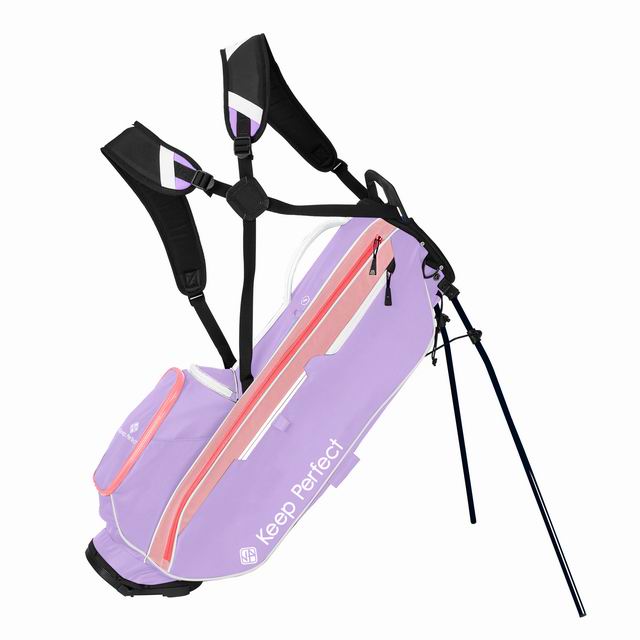
- Plan packaging early to prevent transit damage and returns.
- Protect reorders with material lot continuity and BOM discipline.
- Document revisions with photos and a defect taxonomy for faster corrections.
- Turn “nice-to-have” ideas into measurable requirements before sampling.
- Define a QC test plan (cycle/pull/abrasion) instead of relying on visual checks.
- Choose materials for abrasion and appearance consistency, not marketing names.
- Use a pre-production checklist to reduce late-stage changes.
- Specify tolerances and inspection criteria so bulk output matches the approved sample.
Executive summary
This article turns How to Spec a Premium Feel: Touchpoints and Materials into a procurement-ready manufacturing brief for Sunday Bags programs targeting Germany. It is written for B2B buyers using a Custom sourcing model.
It goes beyond generic “tips” by defining measurable requirements, acceptance criteria, and QC gates—so your approved sample and bulk production match.
Scope and audience
Use this guide if you are building an RFQ, reviewing a sample, or setting QC standards for bulk production. If you already have a complete tech pack, treat the checklists below as a gap audit.
Market differences usually show up in labeling expectations, packaging requirements, and compliance screening priorities. Confirm final compliance details with your own compliance team for your channel.
Engineering focus
Sunday Bags programs succeed when engineering decisions match real use: load paths, wear zones, and pocket geometry. These are the typical focus points for this category.
- Low weight with adequate structure
- Simple pocket set that works
- Comfortable carry without bulk
- Cheap feel from floppy structure
- Zipper snagging from poor tape spec
- Pocket mismatch with use case
Specification checklist
This is the minimum checklist that turns “premium” into buildable parameters and keeps revision cycles under control.
- Material spec by panel + reinforcement zones
- Logo placements (location, size, method) + artwork files
- Pocket list with dimensions + intent (rangefinder, apparel, valuables)
- Stand/cart compatibility requirements (if applicable)
- Color references (Pantone) + acceptable delta tolerance
- Zipper brand/grade + slider type + puller details
- Strap geometry and carry comfort target
- Top opening size and divider format
- Weight target and structure targets (foam, stays, base plate)
- Hardware finish requirements (corrosion expectations)
Specification baseline
Baselines align teams quickly. Lock final values in sample approval to prevent rework and late-stage changes.
| Parameter | Baseline | Why it matters | Common mistake |
|---|---|---|---|
| MOQ baseline | MOQ baseline: 200 pcs / style | Start smaller with fewer colorways to protect consistency. | Mixing many materials at low volume increases variation. |
| Sampling timeline | Sampling: 10–18 days (typical 2–3 rounds) | Expect multiple iterations for fit + branding. | Approving without a checklist creates rework later. |
| Bulk lead time | Bulk production: 45–75 days (depends on materials and capacity) | Lead time depends on materials and capacity planning. | Ignoring peak season buffers risks delivery slip. |
| Final inspection | Final inspection: AQL 2.5 (defined defect taxonomy required) | Define defect taxonomy so checks are consistent. | AQL without defect definitions is not actionable. |
Materials and trims
Perceived quality is built from touchpoints: handles, zipper pulls, pocket edges, and reinforcement zones. Consistency across these areas matters more than a single “hero” material.
| Option | Material / component | Selection note |
|---|---|---|
| Option 1 | RPET Fabrics (Recycled Content Lines) | Consider for sustainability lines with documentation. |
| Option 2 | 420D/840D Nylon (High Abrasion Grades) | Useful for abrasion zones and high-touch points. |
| Option 3 | EVA Foam (Comfort + Structure) | Useful for abrasion zones and high-touch points. |
| Option 4 | TPU Films (Welded Pocket Windows & Details) | Best when you need stable color across repeat orders. |
| Option 5 | 600D/900D Polyester (Solution-Dyed Options) | Consider for sustainability lines with documentation. |
Quality plan
AQL becomes meaningful only when paired with defect definitions and a test plan. Use the table below to define what you accept and how you verify it.
| Check / test | Target | Practical guidance |
|---|---|---|
| Zipper cycle test | Target cycles + smoothness | Run cycles on representative pocket angles and curvature. |
| Pull test (handles/strap anchors) | Defined pull force + duration | Validate reinforcement layers and stitch density at stress points. |
| Abrasion test (high-wear zones) | Defined cycles + appearance criteria | Focus on base, pocket corners, and cart-contact areas. |
| Measurement sampling | Tolerances by key dimensions | Top opening, pocket sizes, and overall height are common disputes. |
| Visual + functional check | Appearance + pocket function | Confirm magnets/closures, stand system behavior, and rattle control. |
Final inspection: AQL 2.5 (defined defect taxonomy required) is recommended only when you have defined defect taxonomy and aligned checkpoints across incoming / in-line / final inspection.
| Defect category | Examples | How to make it actionable |
|---|---|---|
| Appearance | Stains, wrinkles, logo misalignment, print distortion | Define “acceptable vs unacceptable” with photos. |
| Function | Zipper snagging, pocket access issues, stand/cart fit failures | Verify using real-use scenarios (cart strap on, clubs loaded). |
| Measurements | Top opening, pocket dimensions, overall height | Define tolerance for each key dimension. |
| Construction | Loose stitching, reinforcement missing, hardware pull-out | Focus on stress-point reinforcement and stitch density. |
| Packaging | Carton crush, missing labels, damaged trim | Lock packaging spec and verify cartons before release. |
Timeline and milestones
Most delays come from late requirement changes. A professional timeline uses milestones that lock parameters before bulk production starts.
RFQ template
Copy/paste this into an email to receive a quote that matches the final build:
- Category: Sunday Bags (topic: How to Spec a Premium Feel: Touchpoints and Materials)
- Intent: Custom · Target market: Germany
- MOQ baseline: 200 pcs / style
- Target quantity + colorways (start with fewer for consistency)
- Reference images + must-have features
- Branding: placements, methods, and artwork files
- Material preferences + Pantone references (if known)
- Packaging requirements + labeling expectations
- Timeline + preferred Incoterms (FOB/CIF/DDP)
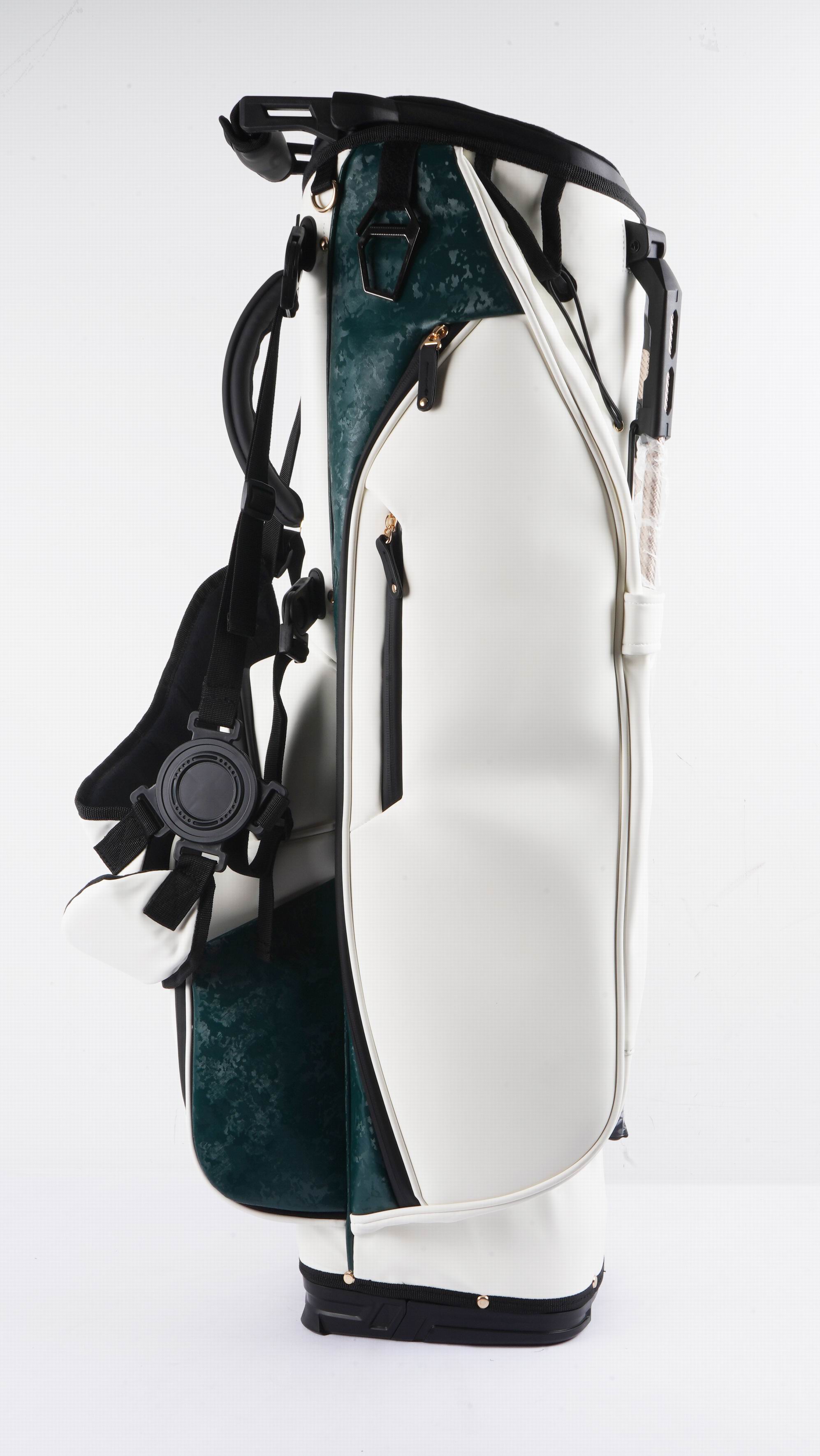
Industry Insights: Strategic Considerations for Sunday Bags Sourcing
The term "premium feel" appears in over 70% of golf bag brand briefs, yet fewer than 15% of those briefs define what it means in measurable manufacturing terms. This gap between marketing language and production specifications is the single largest source of sample revision cycles in the OEM/ODM golf bag industry.
At its core, premium feel is a composite of touchpoint consistency. A buyer or end consumer perceives quality through the sequence of physical interactions: how the zipper pulls, how the handle grips, how the material drapes, how the base sits on a surface. When each touchpoint delivers a consistent tactile message, the product reads as "premium." When even one touchpoint is inconsistent, the entire perception collapses.
For Sunday Bags programs, the touchpoints that matter most are:
- Handle and grip surfaces. The first physical contact point. Material choice (leather, neoprene, webbing), padding thickness (typically 3-5mm EVA), and edge finishing determine the initial quality signal.
- Zipper operation. Zipper pull weight, smoothness through curves, and the sound of engagement all contribute to perceived quality. YKK zippers with custom pulls are standard for premium programs, but the zipper tape weight and stitching pattern matter equally.
- Panel material hand-feel. The denier, weave pattern, coating type, and embossing of the main panel fabric set the tone. 840D nylon with a PU coating reads differently than 420D nylon with a PVC coating.
- Interior finishing. Lining weight (measured in GSM), seam tape coverage, and pocket organization signals attention to detail that the exterior alone cannot communicate.
- Hardware consistency. Buckle material, rivet finish, and magnetic closure strength should match across the entire product. Mixed metal finishes are a common premium feel failure.
At Junyuan Bags, we have developed a touchpoint audit checklist that maps every physical contact point on a Sunday Bags to a material specification, a test method, and an acceptance criterion. This checklist is part of our standard sampling process across all 200K++ units produced annually in our 15,000 sqm facility. The result: fewer sample rounds, faster approval cycles, and consistent quality across repeat orders. Brands that adopt this structured approach to premium feel specification consistently achieve 30-40% fewer sample revision rounds compared to programs that rely on subjective visual assessment alone.
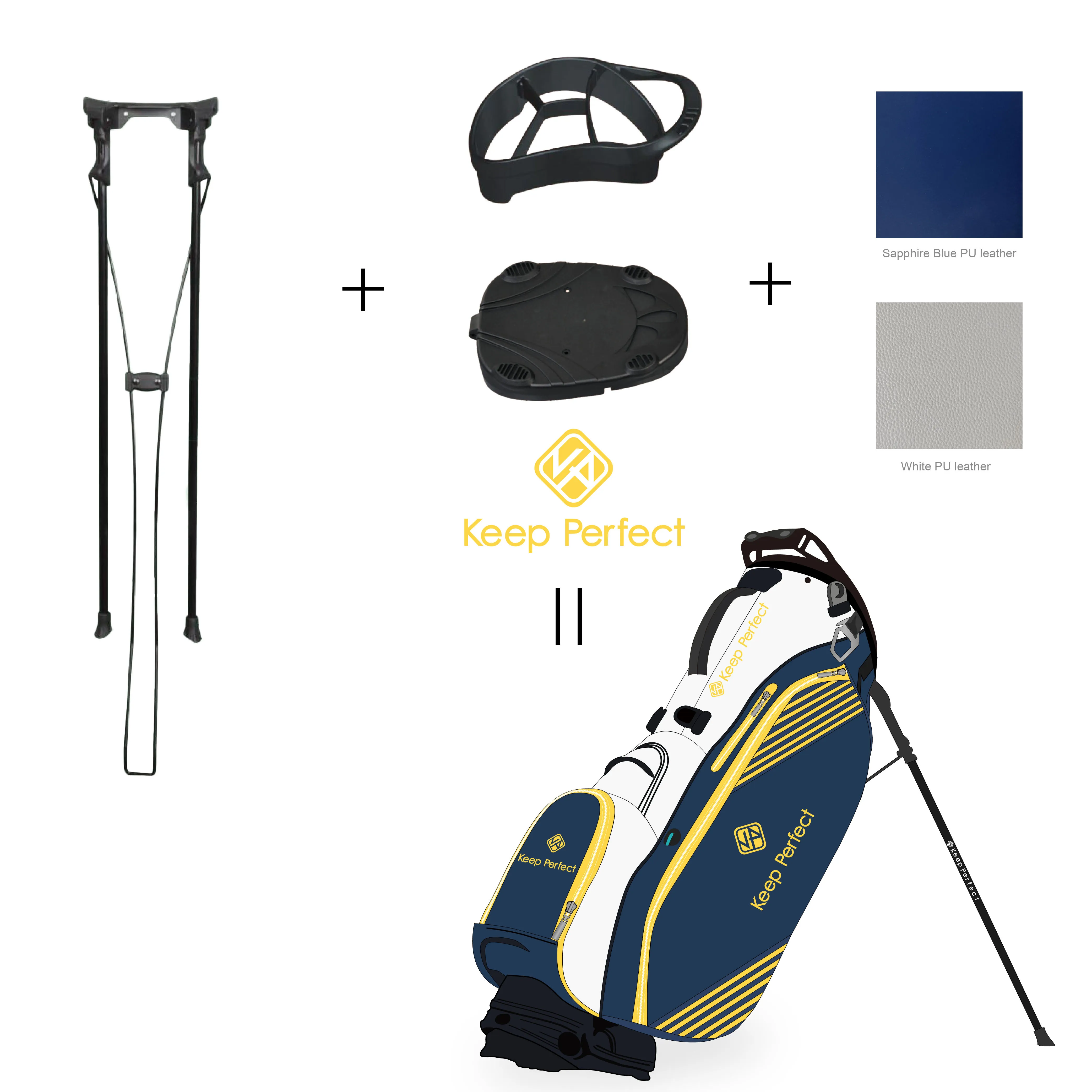
Step-by-Step Guide for Sunday Bags Programs
Turning a design concept into a production-ready specification is the most critical phase of any golf bag program. Errors or omissions at this stage cascade through sampling, production, and retail, while good specifications accelerate every downstream step. Here is the step-by-step process for Sunday Bags programs:
This structured approach to specification development is what separates production-ready designs from concept sketches. At Junyuan Bags, our engineering team reviews every specification package for completeness before sampling begins, using a standardized checklist that covers all critical parameters. This review typically identifies 5-10 gaps that would have caused sample revisions, saving 2-4 weeks per program.
Best Practices for Consistent Quality and Efficient Sourcing
Across thousands of Sunday Bags programs, the most successful brands share common practices that reduce revision cycles, improve quality consistency, and accelerate time-to-market. These are not theoretical frameworks. They are operational habits that compound over repeat orders.
- Lock specifications before sampling. The single most impactful practice in golf bag manufacturing is to finalize all specifications, dimensions, materials, colors, branding, and packaging before the first sample is made. This sounds obvious, but over 60% of programs start sampling with incomplete specifications, leading to 2-4 additional revision rounds. Each round adds 10-15 days and increases the risk of inconsistent bulk output. At Junyuan Bags, we use a pre-sampling checklist covering 25+ parameters specific to Sunday Bags programs, and our engineering team reviews every submission for gaps before cutting begins.
- Use photo-based acceptance criteria. Written specifications are necessary but insufficient. The most effective quality systems pair written specs with acceptable vs. unacceptable photo guides for every critical inspection point. A written spec that says "no visible wrinkles" means different things to different inspectors. A photo guide showing approved and rejected samples creates a shared visual standard. For Sunday Bags programs, create photo guides for: seam alignment, zipper finish, logo placement accuracy, color consistency across panels, and interior lining finish.
- Test in real-use conditions. Laboratory test results are valuable but incomplete. Golf bags are used in real-world conditions, loaded with 14 clubs, strapped to carts, exposed to rain and sun, dragged across gravel paths. Your testing protocol should include real-use simulations: load the bag with weighted clubs, run cart strap tests with the bag on an actual cart, expose panels to simulated rain, and check zipper function after 500+ cycles. This catches issues that flat-panel lab tests miss.
- Document everything for reorder consistency. The difference between a great first sample and an inconsistent bulk order is documentation. Maintain a complete BOM with supplier details, material lot numbers, color references, and test reports for every production run. When you reorder, reference the original BOM and test against the same standards. This prevents "material drift" where suppliers gradually substitute cheaper materials without notification, a common source of quality decline over repeat orders.
- Plan for seasonality. Golf bag demand follows seasonal patterns, but manufacturing planning should be counter-seasonal. The best time to place orders for Germany spring/summer delivery is 4-5 months before your target retail date. This allows adequate sampling time (2-3 rounds), bulk production (45-75 days), and shipping (15-30 days by sea) without peak-season capacity pressure. At Junyuan Bags, our 200K+ unit annual capacity is planned 6 months ahead, so early-planning brands receive priority scheduling and more consistent material availability.
These practices form the foundation of a professional sourcing operation. At Junyuan Bags, we support brands in implementing each practice through our structured program management process, from initial RFQ review through final inspection and reorder planning. Our BSCI, ISO 9001:2015 certifications and 200K++ unit annual output reflect the consistency these practices enable across our 15,000 sqm facility and 8 production lines.
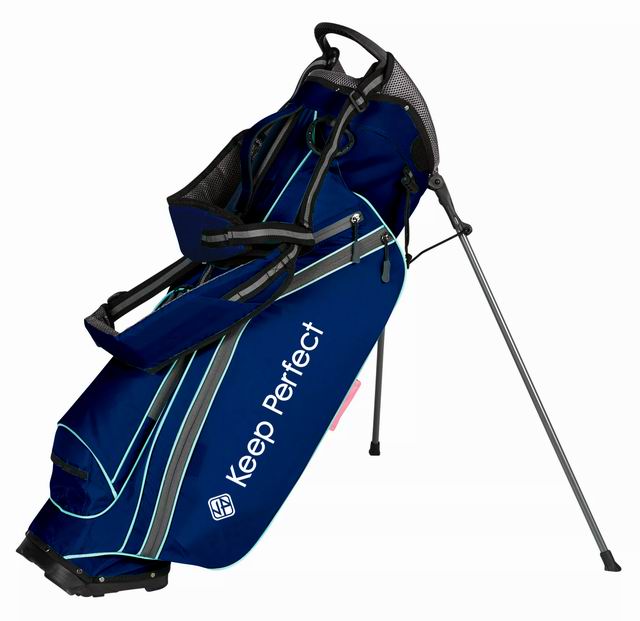
Market Trends and Strategic Outlook for Sunday Bags
The golf bag market is experiencing significant shifts that directly impact sourcing decisions for Sunday Bags programs. Understanding these trends helps brands make strategic choices about materials, design features, and market positioning.
Market Size and Growth
The global golf bag market is valued at approximately USD 1.8 billion (2024) and is projected to grow at a CAGR of 4.5-5.5% through 2030. Key growth drivers include increasing golf participation in Asia-Pacific markets, the expansion of off-course golf (driving ranges, simulators), and the premiumization trend in golf equipment. For OEM/ODM manufacturers, this growth translates to increasing demand for differentiated products that brands can customize for specific market segments.
Material and Sustainability Trends
Sustainability is no longer a niche requirement. It is a baseline expectation in many markets. Germany buyers increasingly ask about PVC-free materials, recycled fabrics, and water-based coatings. While premium sustainable materials currently add 8-15% to material costs, the cost premium is decreasing as supply chains mature. Brands that integrate sustainable materials into their product roadmap now are positioning for regulatory compliance and consumer preference shifts that will accelerate over the next 3-5 years.
Design Feature Trends
Product design trends in Sunday Bags reflect broader shifts in how golfers interact with their equipment:
- Lightweight construction. Golfers are increasingly weight-conscious, driving demand for lighter materials without sacrificing durability. This creates engineering challenges around reinforcement strategy and material selection that require experienced manufacturing partners.
- Integrated technology pockets. GPS rangefinder pockets, USB pass-through ports, and phone-compatible pockets are becoming standard expectations rather than premium differentiators. Design for these features should be integrated from the initial specification stage.
- Modular organization. Buyers expect customizable interior organization, adjustable dividers, removable pocket inserts, and modular accessory systems that adapt to different carrying scenarios. This adds complexity to pattern design and assembly.
- Weather resistance. With golf played in diverse conditions, water-resistant materials, sealed zippers, and drainage features are increasingly important, particularly for Germany markets with variable weather patterns.
Sourcing and Supply Chain Trends
The golf bag supply chain is consolidating around fewer, larger OEM partners who can offer integrated services, design support, material sourcing, compliance documentation, and logistics management, rather than piece-price manufacturing alone. Brands are also diversifying their supply chain geography, with increased interest in Southeast Asian manufacturing alternatives alongside established China-based production. At Junyuan Bags, we have responded to these trends by expanding our integrated service offering, investing in material innovation, and maintaining the flexibility to serve both established brands and emerging programs across Germany and global markets.
With over 20 years of manufacturing experience since 2004, 200K+ units annual capacity, and BSCI, ISO 9001:2015 certifications, we are positioned to support brands navigating these market shifts with consistent quality, competitive pricing, and responsive program management.
Resources and Next Steps
To support your Sunday Bags sourcing program, Junyuan Bags provides the following resources:
- Sunday Bags product catalog and specifications
- OEM/ODM Manufacturing Capabilities overview
- Quality Control System and inspection procedures
- Complete Custom Golf Bag Manufacturing Guide (pillar page)
- Request a Quote for your Sunday Bags program
- Market-specific sourcing guides for Germany buyers
Ready to start your Sunday Bags program? Contact our team at service@junyuanbags.com or WhatsApp +86 17750020688. We respond to all inquiries within 24 hours with a checklist aligned to your category and market requirements. Our team has supported over 200 brands since 2004, and we are ready to help you build a successful Sunday Bags program for the Germany market.
Start Your Sunday Bags Program Today
Junyuan Bags Manufacturing Co., Ltd. has been producing premium golf bags since 2004. With 200K+ units annual capacity, 8 production lines, and BSCI, ISO 9001:2015 certifications, we support brands from prototype through volume production.
- MOQ: 100 pieces, flexible for new programs and market testing
- Lead Time: 45-75 days for bulk production (depending on materials and capacity)
- Facility: 15,000 sqm modern manufacturing facility
- Team: 200+ trained professionals across 8 production lines